Coffee vs Cacao: Why I Reach for One More Than the Other
It isn’t about giving up coffee. People ask me whether I have stopped drinking coffee since discovering cacao. The answer is no. I still enjoy a really good coffee. I love the smell of it and there are mornings when it is exactly what I need. This is not about deciding one drink is good and the other is bad. It is more about understanding that, for me, they give completely different things.
It isn’t about giving up coffee
People often ask whether I stopped drinking coffee when I discovered cacao.
The answer is no.
I still enjoy a really good coffee. I love the smell of it, and there are mornings when it is exactly what I fancy. This is not about deciding that one drink is good and the other is bad. It is simply about recognising that, for me, they offer two very different experiences.
For years, coffee was an automatic part of my routine. I would wake up, make a cup, drink it quickly and get on with my day. If I’m honest, I probably didn’t even taste half of them.
It was something I reached for because it was what I had always done. Before long, I would be thinking about the next one, and then another.
Cacao asks for more time
Ceremonial cacao feels different.
Not because it is fashionable or because somebody told me it was better for me, but because preparing it naturally takes a little more time.
I chop the cacao, warm the water and whisk everything together. Even its rich consistency changes the experience. It isn’t something I want to knock back while rushing out of the door.
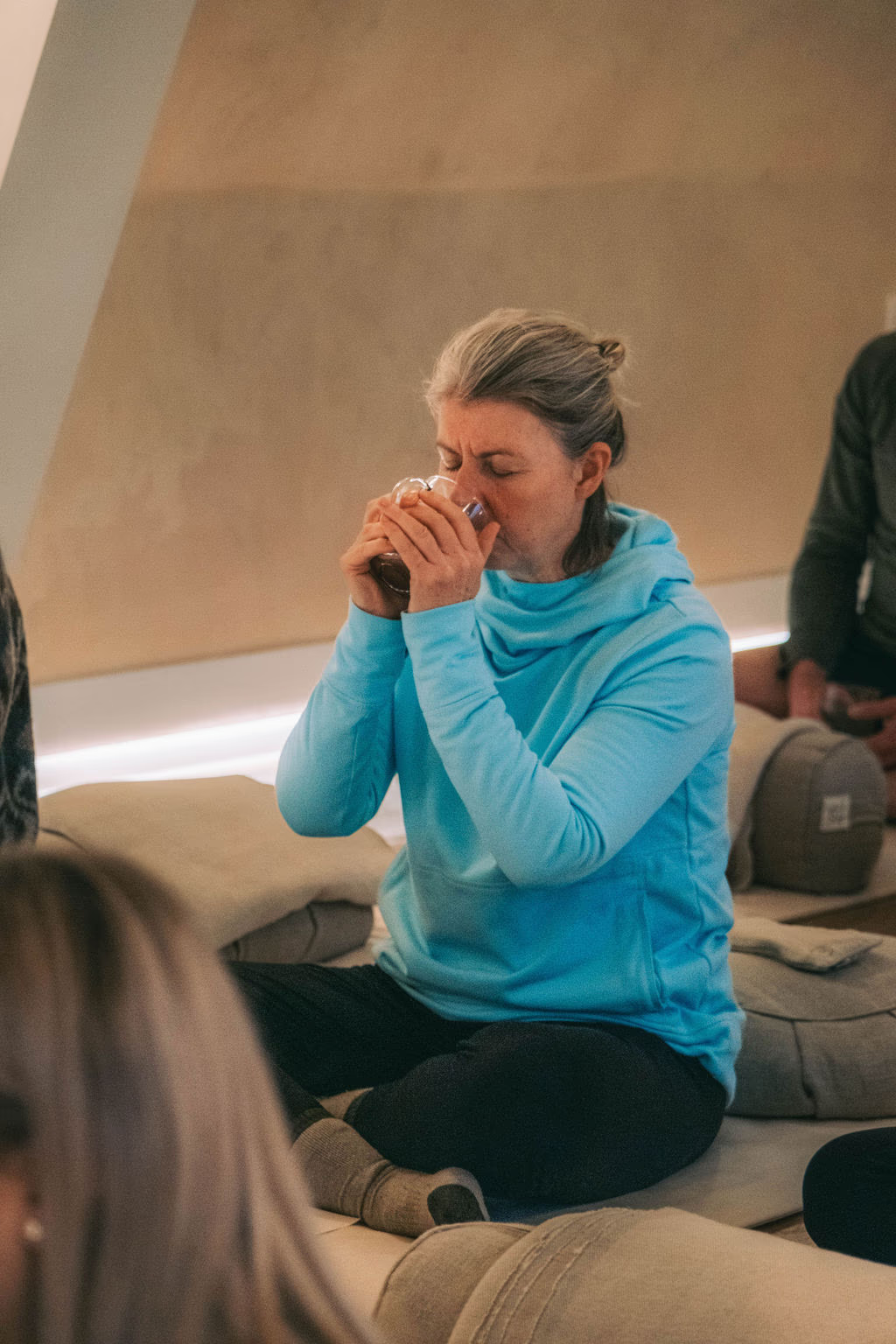
It asks me to slow down, even if only for ten minutes.
I realised quite quickly that I wasn’t only changing what was in my mug. I was changing how I started my day.
Instead of moving through the morning on autopilot, I was making something carefully, sitting down and giving myself a chance to arrive before the day asked anything of me.
That small ritual has become just as important as the drink itself.
Coffee and cacao are made differently
Coffee and ceremonial cacao are not direct substitutes.
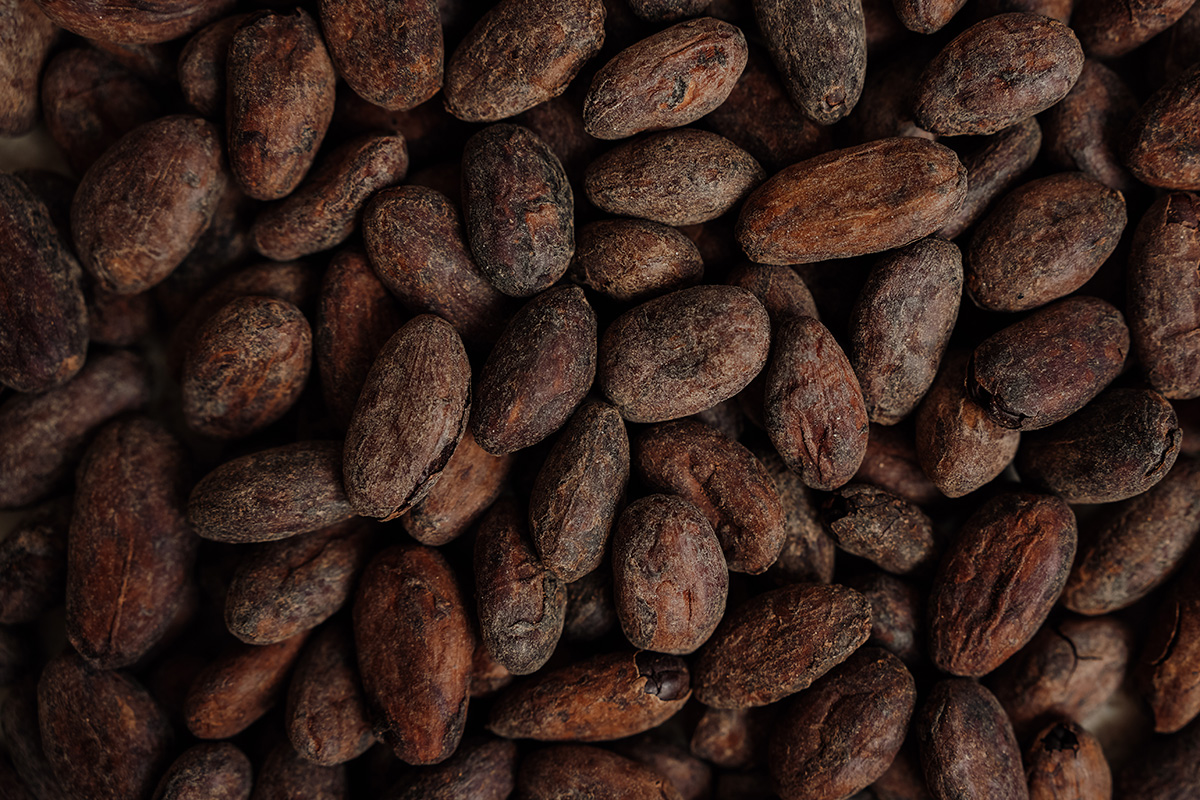
Coffee is brewed using roasted coffee beans. Ceremonial cacao is made using the whole cacao bean, keeping the cocoa solids and naturally occurring cocoa butter together.
That is what gives cacao its rich texture, depth of flavour and smooth, velvety finish. It feels more substantial in the cup and is something I naturally want to drink more slowly.
Cacao also has a different natural composition. Coffee is known for its caffeine, while cacao contains theobromine alongside some caffeine.
I don’t think one needs to be positioned as better than the other. They are simply different ingredients with different flavours, textures and ways of preparing them.
The experience feels different to me
Coffee feels quick and familiar. I enjoy its bitterness, its aroma and the little lift that comes with it.
Cacao feels slower and fuller. The preparation is part of the experience, and one cup usually feels enough for me.
That may be partly because of its texture and richness, but it is also because I tend to sit down and properly enjoy it. I’m not already thinking about the next cup before I have finished the first.
This is my personal experience, of course. Everyone responds differently, and there is no need to choose a side.
Some mornings call for coffee. Most mornings, I find myself reaching for cacao.
The cacao I drink
The cacao I prepare at home is our I AM BEING ceremonial cacao, handmade on Flores Island in Indonesia.
It grows within biodiverse forest systems amongst vanilla, banana, clove, nutmeg and native jungle canopy. The cacao is harvested, fermented, slowly dried, hand-roasted and refined at origin.
Using the whole cacao bean creates a cup that is rich and smooth, with notes of vanilla, gentle spice and earthy warmth.
Knowing where it comes from and how it has been made has become an important part of the experience for me. It turns a simple morning drink into something I genuinely look forward to preparing.
What you add matters too
I usually keep my cacao quite simple.
A little honey adds sweetness without overpowering it. Cinnamon brings warmth and depth, while a tiny pinch of cayenne gives the cup a gentle kick.
Sometimes I leave it completely plain. Other mornings I experiment with different spices, depending on what I feel like.
That is another thing I enjoy about cacao. Preparing it becomes a small creative moment rather than something I do without thinking.
More than a coffee swap
I don’t see cacao as a replacement for coffee.
Coffee has its own place, and I still enjoy it. The difference is that cacao changed the pace of my morning.
It reminded me that not everything needs to be rushed. Making something slowly, sitting down and drinking it with care sounds incredibly simple, but that simplicity is exactly why it matters to me.
There is a long history of cacao being prepared and shared within cultural traditions and community gatherings. Today, it can also become part of an ordinary morning at home.
It doesn’t need to be complicated or presented as something miraculous. Sometimes it is simply a warm, beautifully made cup that encourages you to pause.
I still drink coffee from time to time, and I’m sure I always will. But most mornings, you will find me chopping cacao instead.
Not because I think coffee is the problem, but because somewhere along the way I realised I wasn’t looking for another way to wake myself up.
I was looking for a different way to begin my day.
Being,
Gizelle Renee xx