Heavy Metals in Cacao: What You Need to Know About Lead, Cadmium and Choosing Better Ceremonial Cacao
Discover the truth about heavy metals in cacao, lead and cadmium, how other superfoods compare, and what independent testing reveals about I AM BEING.
Because what goes into your body matters as much as how you nourish your mind.
We live in a world where we are increasingly conscious of what we consume. We read ingredient lists, question where our food comes from, seek out natural products and look for ways to nourish ourselves more intentionally.
Yet there is one subject that deserves considerably more attention: heavy metals in our food.
From dark chocolate and ceremonial cacao to rice, leafy greens, seaweed and other foods often described as superfoods, naturally occurring and environmental contaminants can find their way into the ingredients we consume.
The subject can sound alarming. Headlines about lead in chocolate or cadmium in cacao understandably raise questions. Is cacao safe? Should we avoid dark chocolate? Are organic products always better? And how do we know which brands to trust?
At I AM BEING, we believe the answer begins with education, transparency and a willingness to ask questions.
We are passionate about ceremonial cacao, its origins, the people who grow it and the experience of bringing it into our daily rituals. But our appreciation for cacao goes hand in hand with our responsibility to understand its composition and quality.
That is why we have undertaken independent laboratory testing of cacao beans sourced from Flores Island, Indonesia.
The results offer encouraging evidence about the tested cacao, including no detectable lead or mercury and a measured cadmium concentration of just 0.06 mg/kg.
But before exploring those findings, it is worth understanding what heavy metals actually are, where they come from and why the conversation extends far beyond cacao.
1. What are heavy metals, and why are they found in food?
Heavy metals are a group of elements commonly discussed in relation to environmental contamination and food safety. The term is often used broadly, although the elements differ considerably in their chemistry and biological effects.
Some metals, including iron and zinc, are essential nutrients in appropriate quantities.
Others, such as lead and cadmium, have no known nutritional benefit to humans and can cause harm when exposure is sufficiently high or prolonged.
The elements most frequently discussed in food safety include:
- Lead (Pb): A toxic metal associated with neurological and developmental harm.
- Cadmium (Cd): A metal that can accumulate in the body over time, particularly affecting the kidneys and bones.
- Mercury (Hg): A toxic element whose effects depend partly on its chemical form; methylmercury is particularly relevant to seafood.
- Arsenic (As): A naturally occurring element that can exist in different chemical forms, with inorganic arsenic generally presenting greater health concerns.
These substances can enter the food chain through natural geological processes, soil composition, water, atmospheric pollution, agricultural practices and food processing.
Importantly, their presence does not automatically mean a food is unsafe.
Food safety involves understanding the particular substance, its concentration, the amount consumed, how frequently it is consumed and the wider dietary exposure of the individual.
A detectable trace of a substance and a meaningful health risk are not the same thing.
Equally, a substance being naturally occurring does not automatically make it harmless.
The most useful approach is neither fear nor complacency, but informed understanding.
2. Why can cacao contain heavy metals?
Cacao comes from the seeds of the Theobroma cacao tree, which grows in tropical regions around the world.
Like many plants, cacao interacts with its surrounding environment, absorbing water and nutrients through its roots.
Depending on the soil and growing conditions, the tree may also take up certain unwanted elements.
Two metals receive particular attention in cacao research: cadmium and lead.
Cadmium: The connection with soil
Cadmium can occur naturally in soil and may also be introduced through human activity.
Cacao trees can absorb cadmium through their roots, with some of that cadmium eventually appearing in the beans.
Concentrations can vary according to factors including soil chemistry, geology, plant genetics and agricultural conditions.
This is one reason why cacao from different farms, growing regions and harvests can have different cadmium concentrations.
It also explains why origin matters.
However, origin alone is not a guarantee of low cadmium. Two farms in the same country may produce cacao with different results.
Lead: The importance of post-harvest handling
Lead contamination can follow a different pathway.
Research suggests that, while environmental exposure remains relevant, contamination can also occur after cacao has been harvested.
For example, beans may come into contact with contaminated soil, dust or equipment during fermentation, drying, transport or processing.
This makes the journey from cacao pod to finished product important.
Thoughtful agricultural practices, careful handling and appropriate processing controls all have a role in reducing contamination risks.
For us, this reinforces a simple principle: understanding cacao means looking beyond the finished packaging and considering the whole journey of the bean.
3. The wider conversation: Heavy metals are not unique to cacao
One of the biggest misconceptions surrounding heavy metals is that they are a problem exclusive to chocolate or cacao.
They are not.
Many foods that form part of a nutritious, balanced diet can contain measurable concentrations of environmental contaminants.
This does not mean we should stop eating them. It means we should understand the wider picture.
Rice and arsenic
Rice is one of the world’s most widely consumed staple foods.
Because of the conditions in which rice is often grown, particularly flooded fields, it can accumulate inorganic arsenic.
Exposure varies according to the rice variety, growing region, preparation and amount consumed.
Food safety authorities pay particular attention to arsenic exposure in infants and young children.
Leafy greens and cadmium
Vegetables such as spinach and other leafy greens can absorb cadmium from soil.
These foods remain valuable sources of nutrients and are generally recommended as part of a varied diet.
Their potential to contain trace contaminants is not a reason to exclude vegetables, but another example of why dietary variety matters.
Seaweed and arsenic
Seaweed is frequently celebrated for its mineral content and has become increasingly popular in wellness-oriented diets.
However, some varieties can contain elevated levels of iodine or certain contaminants, including arsenic and cadmium.
The particular species matters considerably. Hijiki seaweed, for example, has attracted specific food safety warnings because of inorganic arsenic.
Fish and mercury
Fish can provide protein and important fatty acids, yet some predatory species accumulate higher concentrations of methylmercury.
This is why official dietary guidance often distinguishes between fish species and includes specific advice for pregnant women and children.
Root vegetables and environmental contaminants
Carrots, sweet potatoes and other root vegetables grow in direct contact with soil.
Depending on environmental conditions, they may contain traces of certain metals.
Again, this does not make them inherently unhealthy.
The central message is that food safety is about the whole diet, not the reputation of a single ingredient.
The US Food and Drug Administration makes a similar point in its guidance on cadmium in food: a varied diet can help limit repeated exposure to contaminants from any one source.
For consumers, this is a much more useful perspective than sensational headlines suggesting that an entire food category should be avoided.
4. What independent investigations have found about heavy metals in chocolate
Heavy metals in chocolate have received significant attention in recent years.
In 2022 and 2023, Consumer Reports conducted investigations into lead and cadmium in commercially available chocolate and cacao-containing products.
Its 2023 investigation tested 48 products across several categories, including cocoa powder, chocolate chips, dark chocolate and baking mixes.
Sixteen of the 48 products exceeded its chosen levels of concern for lead, cadmium or both.
The investigation highlighted considerable variation between products.
It also demonstrated something important: the presence of cacao does not tell you the exact heavy metal content of a finished product.
Different products can have very different results.
Consumer Reports used California’s maximum allowable dose levels as screening benchmarks. These are particularly conservative exposure-based thresholds and should not be confused with the legal maximum concentrations that apply to every chocolate product.
The findings should therefore be understood in context.
They are not evidence that all chocolate is unsafe, nor do they establish that every product with a measurable concentration poses an immediate danger.
However, they do reinforce the importance of testing, especially for products intended for regular consumption.
Does organic cacao automatically mean lower heavy metals?
Not necessarily.
Organic agricultural practices can offer benefits relating to farming methods and the use of certain inputs.
But organic certification does not automatically mean a product contains no naturally occurring heavy metals.
Cadmium can be present in soil regardless of whether a farm follows organic principles.
Similarly, lead exposure can arise through environmental contamination or post-harvest handling.
A 2024 analysis of commercially available dark chocolate products also raised questions about the relationship between organic labelling and measured heavy metal concentrations.
The important distinction is that organic status and laboratory testing answer different questions.
Organic certification relates to production standards. Heavy metal analysis measures the substances present in a particular sample.
For consumers who care about both, the two approaches can complement one another.
At I AM BEING, we believe in responsible growing practices and the importance of independent testing. We also believe consumers deserve clear information rather than assumptions based on marketing language alone.
5. What are the regulations for cadmium in cacao and chocolate?
Heavy metals are not simply a matter of personal preference.
Food safety authorities establish requirements and monitor contaminants because long-term exposure can have consequences for health.
Within the European Union, Regulation (EU) 2023/915 establishes maximum levels for certain contaminants in food, including cadmium in specified chocolate and cocoa products.
Examples include:
| Product category | EU maximum cadmium concentration |
|---|---|
| Milk chocolate containing less than 30% cocoa solids | 0.10 mg/kg |
| Chocolate containing less than 50% cocoa solids | 0.30 mg/kg |
| Chocolate containing at least 50% cocoa solids | 0.80 mg/kg |
| Cocoa powder sold to consumers | 0.60 mg/kg |
These limits relate to defined product categories.
They are not interchangeable, and the classification of a pure cacao mass or ceremonial cacao product requires careful consideration.
They also should not be interpreted as targets to aim for.
At I AM BEING, our interest extends beyond simply asking whether a particular numerical limit has been met.
We want to understand what is actually present in our cacao.
That is why we value independent analysis.
6. Our Flores Island cacao: What the laboratory results reveal
At I AM BEING, our ceremonial cacao is sourced from Flores Island, Indonesia.
We chose Flores because of our appreciation for the cacao grown there, the people behind its production and the character of the finished cacao.
Our cacao has a beautifully smooth, silky texture, subtle vanilla notes and a lingering finish.
It is designed to be enjoyed as a conscious daily ritual or incorporated into a deeper ceremonial experience.
But flavour and provenance are only part of the story.
We also want to understand the measurable qualities of the cacao itself.
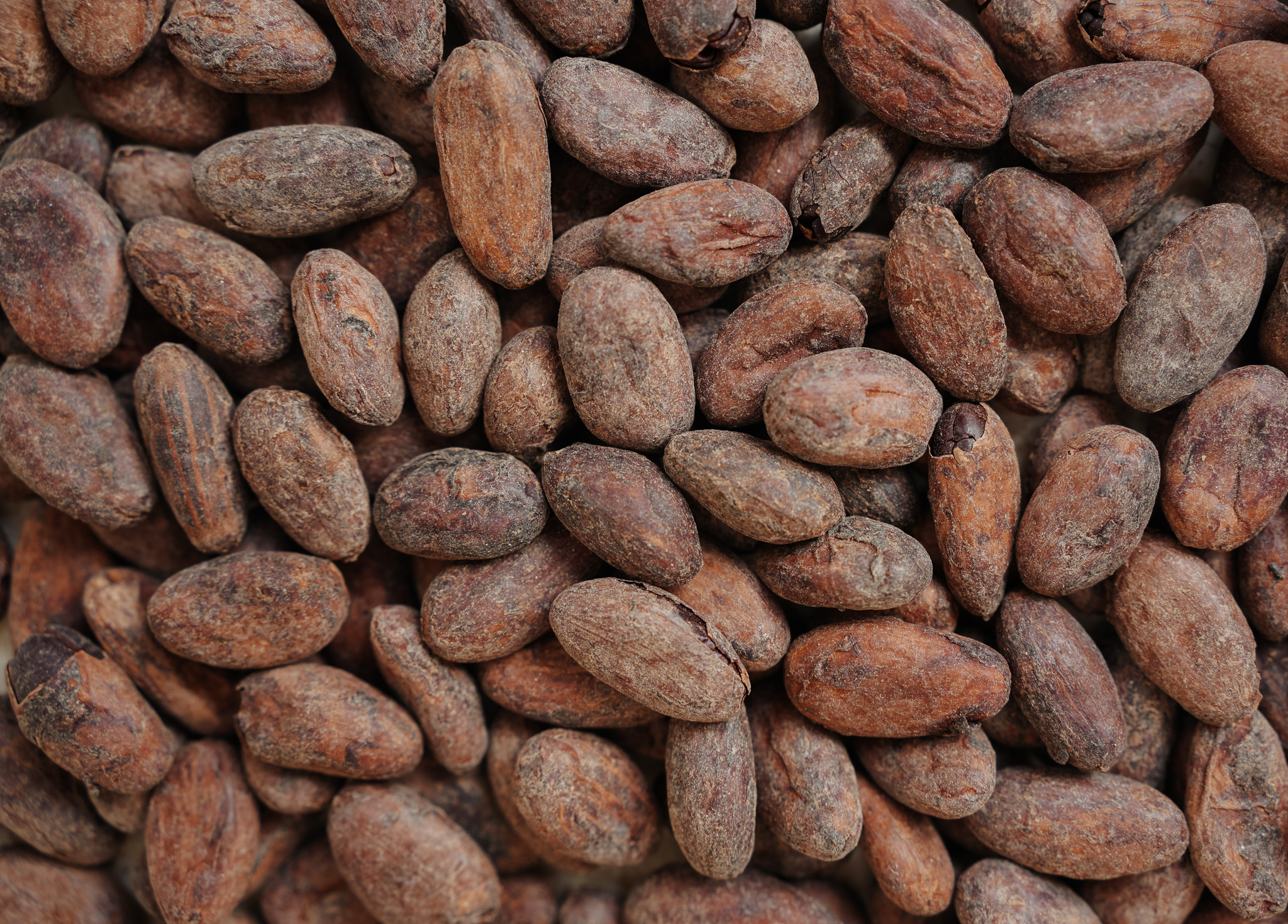
In December 2025, cacao beans identified as Biji Kakao Flores were independently analysed by PT Saraswanti Indo Genetech in Indonesia.
The laboratory used an ICP-MS analytical method to examine five elements: arsenic, cadmium, mercury, lead and tin.
The results were as follows:
| Element | Laboratory result |
|---|---|
| Arsenic (As) | 0.12 mg/kg |
| Cadmium (Cd) | 0.06 mg/kg |
| Mercury (Hg) | Not detected |
| Lead (Pb) | Not detected |
| Tin (Sn) | Not detected |
These findings are encouraging.
In particular, the report found no detectable lead or mercury in the tested sample.
The cadmium concentration was measured at 0.06 mg/kg, while total arsenic was measured at 0.12 mg/kg.
The laboratory’s reported detection limits for lead and mercury were 0.00001 mg/kg and 0.004 mg/kg respectively.
It is important to understand that not detected means the laboratory did not detect the element above its stated detection limit. It does not mean that absolute zero can be established.
Likewise, these findings relate to the specific Flores cacao bean sample submitted for testing, rather than automatically certifying every future harvest or finished product.
Nevertheless, we are pleased to share these findings as part of our commitment to understanding our cacao and being open about the results.
Why the cadmium result is particularly encouraging
Cadmium is one of the most widely discussed contaminants in cacao.
Our tested Flores cacao beans recorded a concentration of 0.06 mg/kg.
For perspective, this is numerically much lower than the EU’s 0.60 mg/kg maximum for consumer cocoa powder and 0.80 mg/kg maximum for chocolate containing at least 50% cocoa solids.
These are comparisons for context, not a formal legal compliance determination: the laboratory sample consisted of cacao beans, and the regulatory categories apply to particular finished foods.
Even with that distinction, the measured concentration provides a positive data point about our source material.
Rather than relying solely on descriptions such as premium, natural or carefully sourced, we can share a specific laboratory measurement.
For us, that is a meaningful part of building consumer trust.
7. What do these numbers mean in a daily serving?
Laboratory concentrations are commonly expressed in milligrams per kilogram.
For most consumers, that is not an especially intuitive measurement.
It becomes easier to understand when translated into a serving.
Our ceremonial cacao is enjoyed in different quantities depending on the individual and the occasion.
For illustration, consider a 25 g daily serving and a 40 g ceremonial serving.
Using the measured cadmium concentration of 0.06 mg/kg in the tested cacao beans:
| Serving quantity | Calculated cadmium amount |
|---|---|
| 9.5 g cacao coin | 0.57 micrograms |
| 25 g daily serving | 1.50 micrograms |
| 40 g ceremonial serving | 2.40 micrograms |
These calculations are based on the laboratory-tested bean concentration. They are estimates for illustration, not measurements of the finished I AM BEING cacao coins.
Actual finished-product concentrations may vary due to processing, harvest and batch differences.
These figures also do not represent an individual’s total dietary exposure.
For context, the European Food Safety Authority has established a tolerable weekly intake for cadmium of 2.5 micrograms per kilogram of body weight.
That is a weekly, body-weight-based measure covering exposure from all dietary sources. It should not be confused with a recommended amount of cadmium to consume or a daily product limit.
The important point is that the concentration in a product, the serving size and how frequently it is consumed all contribute to understanding exposure.
8. What about arsenic in cacao?
Arsenic is another element that deserves a thoughtful explanation.
Our laboratory report recorded total arsenic at 0.12 mg/kg.
Arsenic occurs naturally in the environment, and it can enter food through soil and water.
However, not all forms of arsenic behave identically in the human body.
Inorganic arsenic is generally considered more toxic than many organic forms.
Our laboratory analysis measured total arsenic. It did not separately identify the inorganic and organic fractions.
This distinction matters because a total arsenic result alone cannot tell us exactly how much inorganic arsenic is present.
The finding is therefore useful, but it should not be interpreted as a complete arsenic risk assessment.
As with other contaminants, the appropriate interpretation depends on the chemical form, food category, consumption pattern and applicable guidance.
We believe responsible communication means explaining both what a test tells us and what it does not.
9. Why cacao origin matters — and why Flores Island is special to us
Every cacao-growing region has its own combination of climate, soil, farming traditions and post-harvest practices.
These differences influence the character of cacao and can also affect its composition.
Flores Island, part of Indonesia’s East Nusa Tenggara region, is where our cacao story begins.
Our cacao is sourced through a farming network rooted in the island’s agricultural communities.
The production journey includes fermentation, roasting and stone-grinding, helping transform the cacao beans into the rich cacao we share.
The result is a beautifully rounded cacao with a smooth texture and distinctive flavour.
We believe the relationship between people, land and food matters.
But we also recognise that romantic descriptions of a growing region are not substitutes for scientific evidence.
A beautiful landscape does not guarantee a low heavy metal concentration.
Nor does a particular country of origin automatically make cacao safer than cacao from elsewhere.
The real value comes from combining provenance, responsible production practices and measurable quality information.
For I AM BEING, the Flores laboratory findings are an encouraging part of that picture.
They help us tell a story grounded not only in appreciation for the source of our cacao, but also in evidence.
10. Ceremonial cacao versus conventional chocolate: Does quality make a difference?
Ceremonial cacao and conventional chocolate are often consumed for different reasons.
Chocolate is commonly formulated with varying quantities of cocoa solids, cocoa butter, sugar and sometimes milk or other ingredients.
Ceremonial cacao is typically a minimally formulated cacao product, often containing the full cacao mass without the added sugar found in many confectionery products.
At I AM BEING, our ceremonial cacao is intended to be prepared as a drink and enjoyed as part of a mindful ritual.
However, there is an important distinction to make.
The term ceremonial grade does not, by itself, establish a particular heavy metal concentration or prove that a product is safer.
A product’s purity, premium positioning or artisanal processing cannot replace laboratory testing.
Indeed, because ceremonial cacao can contain a high proportion of cocoa solids, understanding the concentration of contaminants is particularly relevant.
That is why we believe consumers should look beyond appealing descriptions.
Ask where the cacao comes from. Ask what it contains. Ask whether the supplier can provide meaningful information about its quality.
And remember that a responsible brand should be willing to explain the limitations of its evidence as well as its positive findings.
11. Five questions to ask before buying ceremonial cacao
As ceremonial cacao becomes more widely available, consumers have more choices than ever.
That is wonderful for a growing appreciation of cacao, but it also makes informed purchasing important.
Here are five questions worth considering.
1. Where does the cacao come from?
Look for a brand that can identify its sourcing region and explain something meaningful about its supply chain.
2. Has the cacao been independently tested?
Laboratory analysis can provide useful evidence about contaminants, although results should ideally relate to the product and batch being sold.
3. Does the brand explain the results clearly?
Transparency means more than presenting an attractive number. Look for units, sample descriptions, dates and a clear explanation of what the findings mean.
4. What ingredients are included?
Understanding whether you are buying pure cacao mass, cocoa powder, a flavoured blend or a chocolate product helps you make an informed choice.
5. Does the brand take food safety seriously?
Responsible sourcing should be accompanied by appropriate controls relating to production, hygiene, traceability and the finished product.
These are reasonable questions for consumers to ask of any cacao supplier, including us.
12. The role of cacao in a balanced, conscious lifestyle
We love cacao because it creates an opportunity to slow down.
A warm cup of cacao can become a moment of presence before a busy day, a pause between commitments or the beginning of a meaningful gathering.
Cacao naturally contains a range of compounds, including polyphenols and theobromine, as well as minerals such as magnesium.
Research has explored the relationship between cocoa flavanols and aspects of cardiovascular function, although effects depend on the product, its composition and the amount consumed.
Not every cacao product has been shown to deliver the same health outcomes.
And cacao should not be presented as a treatment for illness or a replacement for professional medical care.
At I AM BEING, we believe the value of cacao is both practical and experiential.
It is about what we consume, but also how we consume it.
Preparing cacao can become a small act of intention.
Taking time to sit with a cup can encourage us to step away from distraction and reconnect with ourselves.
In our ceremonies, cacao is often accompanied by breathwork, meditation, journalling, movement and sound.
These practices create space for reflection and connection.
The ritual itself is something we deeply value.
And because we value it, we believe the quality and safety of the cacao we use deserves the same attention as the experience surrounding it.
13. Introducing I AM BEING ceremonial cacao coins
We wanted to make ceremonial cacao more accessible to modern life without losing the intention behind it.
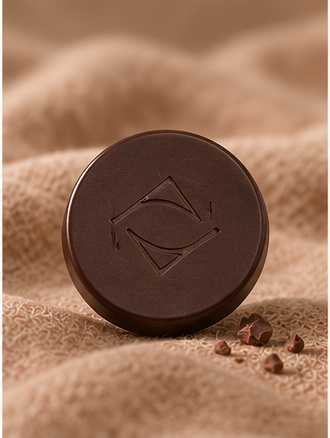
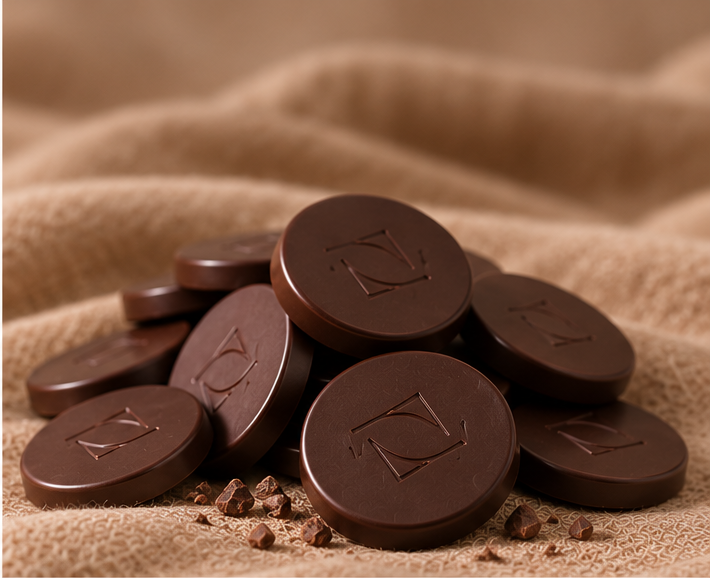
That is why we created our I AM BEING Ceremonial Cacao Coins.
Each coin weighs approximately 9.5 g, making it easier to portion your cacao and prepare a cup without chopping a traditional cacao block.
Our coins are made for people who want the experience of ceremonial cacao with greater convenience.
Whether you are preparing a morning ritual, sharing cacao with a friend or creating a moment of stillness at the end of the day, the coins offer a simple way to begin.
You can use approximately three coins for a 28.5 g serving or adjust the amount according to your preference and individual circumstances.
Simply melt the cacao gently into hot water, whisk until smooth and enjoy.
You may choose to add cinnamon, vanilla or another favourite flavour.
The preparation can be as simple or as intentional as you wish.
And behind that ease of use sits something we care deeply about: understanding the origin and quality of the cacao itself.
Our independent testing of Flores cacao beans forms part of that commitment.
14. Why transparency matters more than perfection
The conversation about heavy metals in food can sometimes become unnecessarily polarised.
On one side, there are alarming headlines that make everyday foods seem frightening.
On the other, there are brands that may prefer not to discuss contaminants at all.
We believe there is a better way.
Food is grown in the natural world, and the natural world is complex.
Soil composition varies. Agricultural conditions vary. Harvests vary. Processing methods vary.
A laboratory report provides information about a sample at a particular point in time.
It does not make a product permanently free from environmental contaminants.
But it does offer something valuable: evidence.
At I AM BEING, we would rather have informed conversations than rely on blanket assurances.
We want our customers to understand why lead and cadmium matter, why testing is important and what our own results show.
We are proud that our tested Flores cacao beans showed no detectable lead or mercury and a measured cadmium concentration of 0.06 mg/kg.
We also understand the importance of continuing to assess quality as products and supply chains evolve.
For us, transparency is not about claiming perfection.
It is about sharing what we know, being clear about what we are still learning and continually taking product quality seriously.
15. Frequently asked questions about heavy metals in cacao
Does all cacao contain heavy metals?
Not necessarily in detectable quantities. Heavy metal concentrations vary according to the element, source, growing conditions and processing. Some samples may have no detectable concentration of a particular metal using the laboratory method applied.
Is ceremonial cacao safer than dark chocolate?
Not automatically. The term ceremonial cacao does not establish a universal safety standard. The relevant factors include the product’s composition, measured contaminant levels, serving size and frequency of consumption.
Does organic cacao contain cadmium?
It can. Organic production standards do not eliminate naturally occurring cadmium from soil. Independent testing is useful regardless of organic status.
What is the most important heavy metal to look for in cacao?
Lead and cadmium receive particular attention because of their potential health effects and their occurrence in cacao products. Other elements, including arsenic and mercury, may also be included in laboratory testing.
What did the I AM BEING cacao test find?
Independent testing of Flores cacao beans in December 2025 reported cadmium at 0.06 mg/kg and total arsenic at 0.12 mg/kg. Lead, mercury and tin were not detected at the laboratory’s stated detection limits.
Is a non-detect result the same as zero?
No. It means the substance was not detected at or above the method’s reported detection limit. It is an encouraging finding, but not proof of absolute absence.
Can I drink cacao every day?
Many adults choose to enjoy cacao regularly, but the appropriate quantity depends on personal circumstances, caffeine and theobromine sensitivity, health considerations and total dietary intake. People who are pregnant, breastfeeding, taking medication or managing a medical condition should seek individual professional advice.
How do I choose a quality ceremonial cacao?
Look for transparent sourcing, clear ingredients, appropriate food safety controls and meaningful laboratory evidence. Taste, preparation and the values of the brand also matter, but they should complement rather than replace quality assurance.
16. A final thought: Choose knowledge over fear
We believe food should be something that nourishes us, brings us together and supports a more intentional relationship with the world around us.
The conversation about heavy metals is important precisely because it encourages us to ask better questions.
Where does our food come from?
What happens to it before it reaches us?
What do we know about its composition?
And what are the brands we support doing to understand their products?
The answers are rarely as simple as a headline.
Cacao is a remarkable ingredient with a rich history and an important place in the lives and livelihoods of many farming communities.
We do not believe consumers need to choose between appreciating cacao and taking food safety seriously.
We believe both can exist together.
At I AM BEING, we are proud of our Flores Island cacao, encouraged by the independent laboratory findings and committed to communicating our results thoughtfully.
Because the most meaningful rituals begin with intention.
And for us, intention includes understanding what we put into our bodies.
Discover I AM BEING Ceremonial Cacao
Explore our 100% ceremonial cacao coins, discover the story behind our Flores Island sourcing and bring a moment of connection into your everyday life.
Shop I AM BEING Ceremonial Cacao Coins — 500 g
Discover our Three-Coin Cacao Pack
Or join us for an I AM BEING cacao ceremony to explore the ritual, preparation and experience of ceremonial cacao.
Scientific and food safety note: This article is intended for general education and does not constitute medical advice. The December 2025 laboratory findings relate to the submitted Flores cacao bean sample and should not be interpreted as certification of every finished product or batch.