Rested vs Regulated: Why Every Practitioner Needs to Know the Difference
This is, of course, my point of view, but it is one that comes from a psychology background, years of personal experience and countless hours sitting with clients in ceremonies, yoga classes, sound baths, meditations, reiki and one-to-one sessions.
This is, of course, my point of view, but it is one that comes from a psychology background, years of personal experience and countless hours sitting with clients in ceremonies, yoga classes, sound baths, meditations, reiki and one-to-one sessions.
I have experienced both states myself more times than I can count, and I have witnessed the difference they make in the people I hold space for. Over the years, I have become convinced that understanding the difference between being rested and being regulated is one of the most important things any practitioner can learn. Whilst they can often feel similar, they are entirely different experiences, not only emotionally, but neurologically too.
Coming from a psychology background, I have always been fascinated by the brain, human behaviour and why we respond to situations the way we do. The more I have studied the nervous system alongside facilitating cacao ceremonies and teaching wellbeing, the more I have realised that the greatest gift we offer someone is not the perfect meditation script, the most beautiful playlist or even the ceremonial cacao itself. It is our presence.
People do not simply experience what we do; they experience who we are. They experience how we show up, how we hold space and whether they feel safe enough to be fully seen.
Being rested
Being rested is incredibly important. It means we have slept well, nourished ourselves, moved our bodies, hydrated and allowed ourselves to recover physically. When we are rested, we naturally have more energy. We are able to think more clearly, concentrate for longer and often feel more patient with the world around us.
Sleep restores the brain, strengthens memory, helps regulate hormones and gives us the physical resources we need to show up well. We should absolutely prioritise rest because without it, every part of our wellbeing begins to suffer.
But being regulated is something much deeper.
Being regulated
Regulation is about the state of your nervous system rather than the number of hours you have slept. It is your ability to remain connected to yourself even when life feels busy, emotional or uncertain. It is the capacity to notice what is happening inside you without immediately reacting or, as I often say, throwing your toys out of the pram.
It is taking a breath before reacting. It is staying present when somebody cries, remaining calm when something unexpected happens during a ceremony and listening without feeling the need to rescue, fix or solve.
From a brain perspective, it is fascinating. When we are overwhelmed or under pressure, the amygdala, our brain’s alarm system, becomes more active. It does not distinguish particularly well between a genuine physical threat and modern-day stress, whether that is financial pressure, an overflowing inbox, family worries or the responsibility of running a business. As far as the brain is concerned, stress is stress.
When this happens, our body prepares us for survival. Our breathing becomes shallower, our heart rate increases, our muscles tighten and cortisol and adrenaline begin to circulate. At the same time, the prefrontal cortex, the part of the brain responsible for decision-making, empathy, creativity, emotional regulation and rational thought, becomes less effective.
We literally lose access to some of our greatest strengths as practitioners because our brain believes our priority is survival, not connection.
When we are regulated, however, something quite wonderful happens. The parasympathetic nervous system, often referred to as our ‘rest and digest’ system, becomes more active. Our breathing naturally slows, our muscles soften and our heart rate steadies. We become more compassionate, more creative, more patient and more able to truly listen.
Instead of immediately reacting, we are better able to respond. Instead of rushing, we become curious. Instead of trying to control every outcome, we create enough safety for whatever needs to unfold.
Why regulation matters when holding space
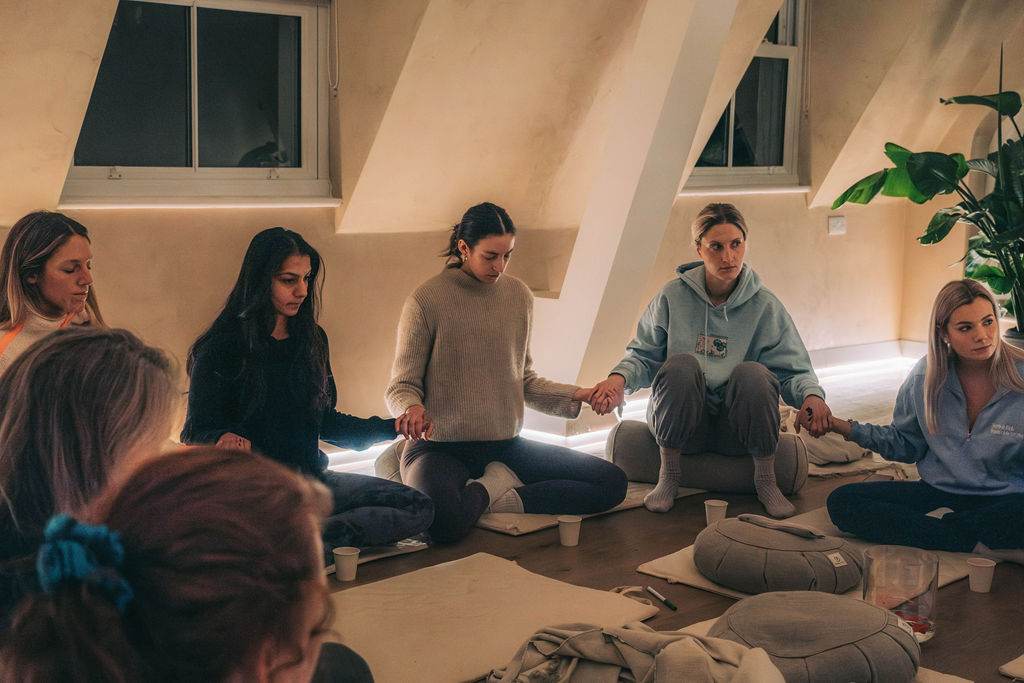
This is why I believe regulation is one of the greatest skills a facilitator can develop. Whether we are serving ceremonial cacao, guiding a meditation or simply sitting opposite another human being, their nervous system is constantly asking one question before they have consciously thought it: “Am I safe here?”
The remarkable thing is that this question is not answered by our qualifications or the words we say. It is answered by our presence.
As human beings, we are wired for co-regulation. Our nervous systems are communicating all the time through our breathing, facial expressions, posture, tone of voice and the pace at which we move. Long before someone consciously trusts us, their body is reading ours.
If we arrive flustered, rushing, apologising and disconnected from ourselves, that enters the room before any meditation begins. Equally, if we arrive grounded, breathing deeply and fully present, we silently give everyone else permission to soften too.
Creating a calm space
This is why I encourage every practitioner to self soothe before holding space. Not because it’s another thing to tick off the list, but because they allow us to arrive fully before asking others to do the same.
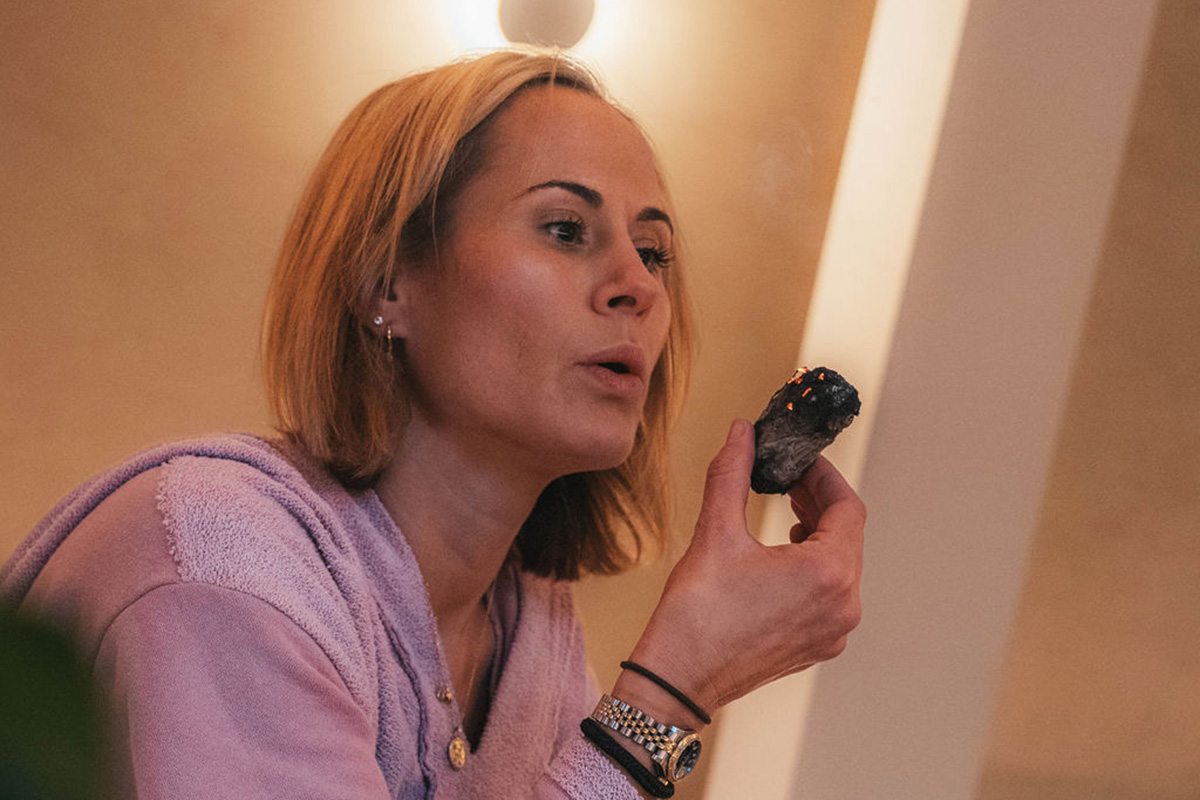
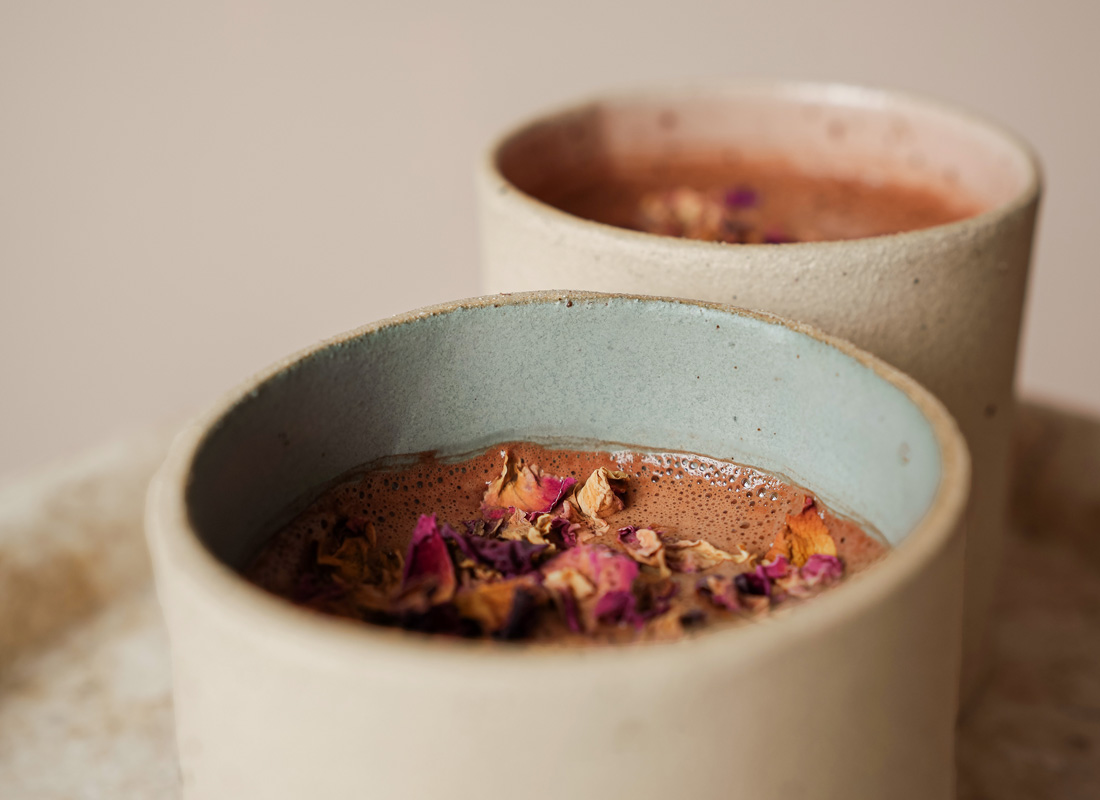
For me, that often begins with a cup of ceremonial cacao. I sit quietly, even if it is only for a couple of minutes.
I breathe deeply, check in with myself honestly and simply notice what I am bringing into the room that day. Sometimes I will meditate, sometimes I will walk outside with the dog, sometimes I will stand barefoot on the earth and sometimes I will simply place my hand on my heart.
None of this is about trying to be someone different. They are about returning to who I already am.
One of the reasons I love ceremonial cacao so deeply is because it naturally supports this process. It gently encourages us to slow down, become more present and reconnect with ourselves. It has a beautiful way of helping us soften, and conversations often become more honest while emotions can surface with surprising gentleness.
What people remember
I have learnt that people rarely remember every word I say. They will not remember every sound bowl I played or every question I asked in a journal. What they remember is how they felt.
They remember feeling safe enough to cry without judgement, laugh without embarrassment or simply sit in silence without needing to explain themselves. That feeling does not come from perfection. It comes from regulation.
As practitioners, we often believe our role is to teach breathwork, meditation, yoga or ceremonial cacao. Whilst all of those things are true, I think our deeper role is something much simpler.
We are showing another human being what it feels like to be in the presence of someone whose nervous system quietly says, “You are safe here.”
It feels incredibly rare to find that at the moment. Genuine, unfiltered, nurturing connection to a true sense of safety. I genuinely believe there is no greater gift we can offer than that.
Love,
Gizelle x