What Is Ceremonial Cacao: How It Is Made and How to Choose It
What is ceremonial cacao? Learn how it differs from drinking chocolate, how it is made, what to check before buying and how to prepare it at home.
Ceremonial cacao is becoming more familiar in the UK, but the category can still feel confusing. You may see cacao sold as blocks, paste, mass, buttons or coins, while brands use phrases such as whole-bean cacao, single-origin cacao and ceremonial grade. The most useful way to understand the product is to look past the label and focus on what is actually in the pack, where it comes from and how it has been processed.
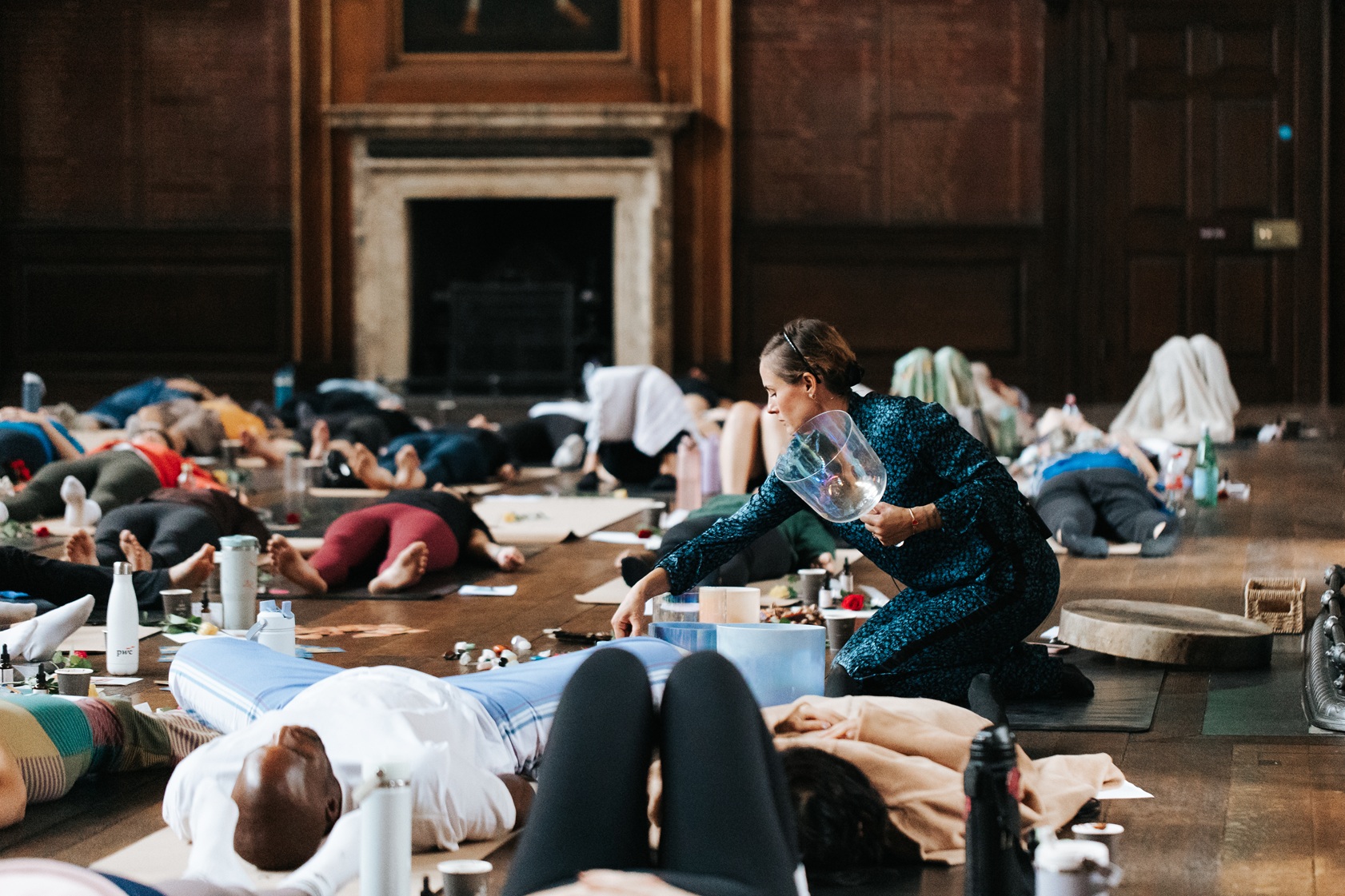
At I AM BEING, we use practical product information first. Our ceremonial cacao contains one ingredient - cacao - and comes from Flores Island in Indonesia. It is made from the whole cacao bean, including its natural cacao butter, and is designed to be prepared as a rich hot drink at home or served in one of our cacao sessions.
What is ceremonial cacao?
Ceremonial cacao is generally used to describe a minimally processed cacao product made from the whole cacao bean. The beans are fermented, roasted and ground until the natural cacao solids and cacao butter become a smooth paste. When that paste cools, it can be formed into a block, buttons, discs or another solid format.
Because the term is used differently by different producers, it is sensible to check the ingredients list rather than relying on the word “ceremonial” alone. If you are looking for pure cacao, the ingredient list should be simple. I AM BEING Ceremonial Cacao is 100% cacao with no added sugar, sweeteners, dairy, flavourings or preservatives.
Is ceremonial cacao the same as cocoa or hot chocolate?
Not usually. Cocoa powder has generally had much of the cacao butter removed, while drinking chocolate is commonly blended with sugar and sometimes milk powder or flavourings. Whole-bean cacao paste keeps the naturally occurring cacao butter, which gives the finished drink a fuller texture.
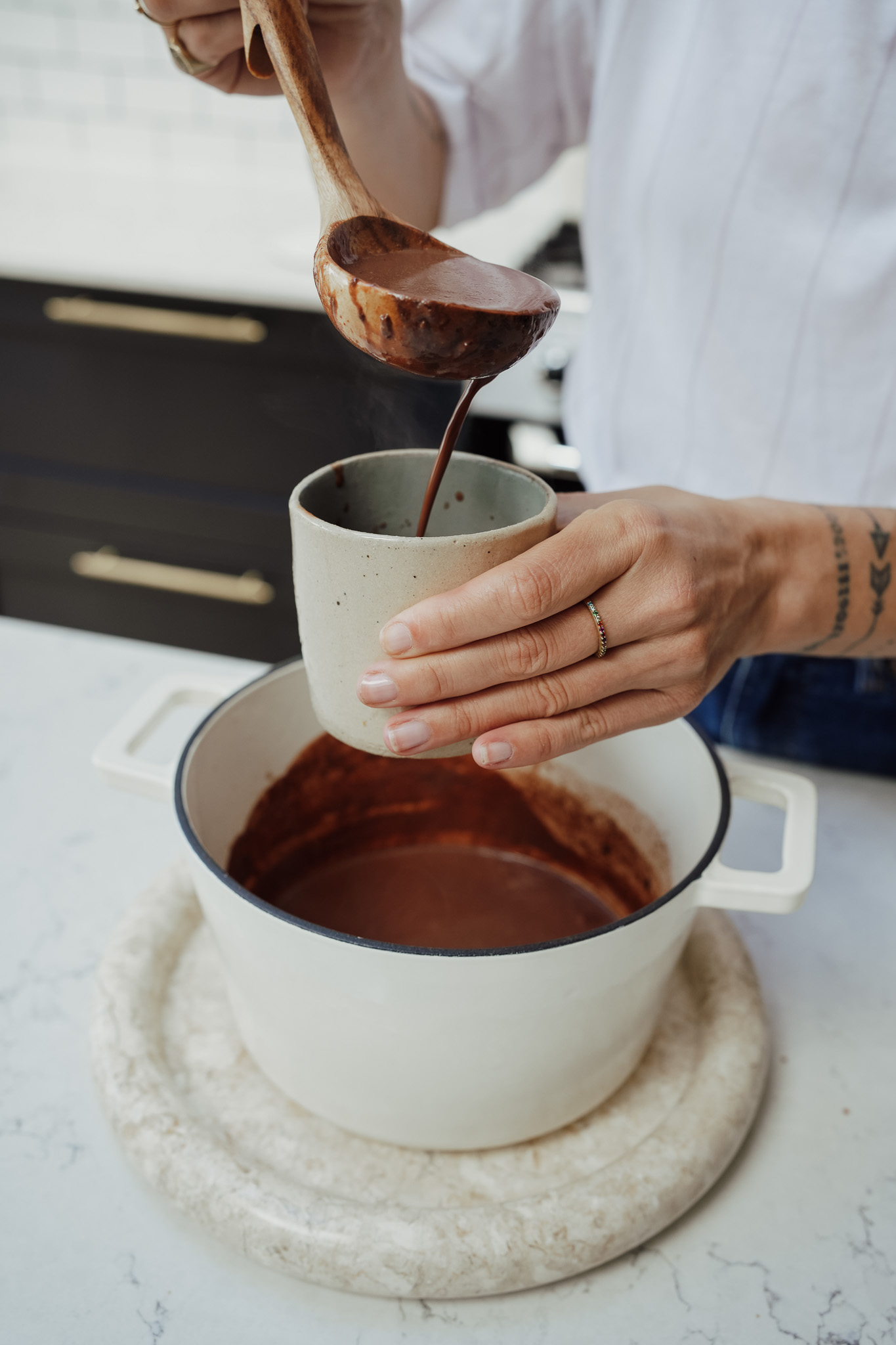
That difference also changes the preparation. Pure cacao is naturally deeper and more bitter than a conventional hot chocolate. Some people enjoy it with hot water alone; others add a small amount of plant-based milk, cinnamon, vanilla, honey or maple syrup to make the cup softer and creamier.
How is ceremonial cacao made?
The process starts with cacao pods growing on cacao trees. The beans and surrounding pulp are removed from the pods, then fermented and dried. Fermentation is an important stage because it helps develop the flavour that appears later in the finished cacao.
After drying, the beans are roasted, peeled and ground. As cacao is ground, its natural fat - cacao butter - softens and combines with the cacao solids to create a thick paste. That paste can then be poured into a mould or portioned into smaller pieces. I AM BEING cacao is stone-ground before being formed for sale.
Why does origin matter?
Cacao is an agricultural product, so growing environment, cacao genetics, fermentation and roasting all influence the final taste. Knowing the origin gives you useful context and makes a product easier to compare.
I AM BEING cacao comes from Flores Island in Indonesia, where cacao is grown through a network of family farms within an agroforestry environment. The cacao is fermented and roasted before being stone-ground. We describe the origin clearly because traceable, practical information is more useful to customers than vague lifestyle language.
What should be in ceremonial cacao?
If you want a pure cacao product, begin with the ingredients panel. A one-ingredient product makes comparison straightforward. You can then look at origin, format, pack size, preparation guidance and any available quality information.
I AM BEING cacao is vegan, dairy-free and gluten-free, with no added sugar or preservatives. Those points describe the product itself rather than making claims about what drinking cacao will do for you.
What does ceremonial cacao taste like?
Pure cacao does not taste like a sweet hot chocolate. Expect a more concentrated cacao flavour, natural bitterness and a richer mouthfeel from the cacao butter. Origin and processing create noticeable differences between products.
Our Flores cacao is smooth and silky with natural vanilla-like notes, depth and a long finish. If you are trying pure cacao for the first time, start with a preparation that suits your taste. A little cinnamon or a small amount of sweetness can make the transition from conventional hot chocolate easier.
How much cacao do you use?
Serving size is personal, so clear guidance matters. At I AM BEING, around 25g is our everyday serving guide and around 40-42g is a fuller serving. Someone new to cacao can start with less and decide what amount they enjoy.
A 500g pack therefore gives roughly 20 everyday 25g servings or around 12 fuller 40g servings. The exact number depends on how you choose to portion each cup.
How do cacao blocks and cacao coins differ?
Traditional cacao is often sold as a block. It works well, but each serving needs to be cut and weighed. I AM BEING created pre-portioned cacao coins to make preparation easier. Each coin is approximately 9.5g, so you can choose the number of coins you want without chopping a large block every time.
The cacao itself remains the same style of whole-bean product; the difference is the serving format. For regular home use, smaller pre-portioned pieces can make the routine cleaner, quicker and easier to repeat.
What should you check before buying?
Look for a clear ingredients list, named origin, useful processing information, a pack size that fits the way you will use the product and straightforward preparation instructions. If a brand uses an organic claim, check whether it is formally certified rather than assuming traditional farming methods automatically mean certified organic.
I AM BEING does not currently market its cacao as certified organic. The cacao is grown without chemical inputs within the farming network we work with, while formal organic certification is a separate process.
How do you prepare ceremonial cacao at home?
Warm water or plant-based milk without bringing it to a hard boil. Add the cacao and whisk or froth until smooth. From there, adjust the cup to your taste with cinnamon, vanilla, a little honey or another ingredient you enjoy.
The best starting point is a preparation you will genuinely want to make again. If you would like to try our Flores cacao, visit the I AM BEING shop for the current 500g format, serving suggestions and preparation guidance.
Explore I AM BEING Ceremonial Cacao today via a one off purchase or our subscription packages.