What Is Ceremonial Cacao? Benefits, Cacao Ceremonies & Where to Buy in the UK
Discover ceremonial cacao, its benefits and history, explore cacao ceremonies in London and shop 100% pure ceremonial cacao in the UK with I AM BEING.
There is something rather beautiful about the simple act of sitting down with a warm cup of cacao, and I often wonder whether it is the cacao itself that makes these moments feel so special or whether it is the permission we give ourselves to stop, even if only for a few minutes, and become a little more present in our own lives. We live in a world that seems to celebrate how much we can achieve, how quickly we can move and how many things we can fit into a single day, yet somewhere amongst all of this activity we can so easily lose touch with the very things that make us feel connected, content and human.
For me, ceremonial cacao has become one of the loveliest ways of creating that space, both in my own life and through the experiences I share with others at I AM BEING. I have seen people arrive at a cacao ceremony feeling exhausted, distracted or unsure of what to expect, only to leave feeling that they have finally given themselves a little room to breathe. Sometimes they have laughed with someone they have only just met, sometimes they have found themselves unexpectedly emotional, and sometimes they have simply enjoyed an afternoon without having to be responsible for anything other than themselves.
What I find particularly wonderful is that none of these experiences needs to be extraordinary to be meaningful. We have become so accustomed to searching for profound transformations that I think we sometimes overlook the quiet beauty of feeling comfortable in our own company or enjoying a moment of genuine connection with another person.
Ceremonial cacao has a fascinating history, a complex natural composition and a growing place within modern wellbeing, but I believe its appeal also lies in something much simpler: it gives us an opportunity to create a moment around something we might otherwise consume without a second thought.
Whether you are curious about attending your first cacao ceremony in London, wondering what makes ceremonial cacao different from ordinary cocoa, or looking to buy beautiful, high-quality ceremonial cacao in the UK to enjoy at home, I would love to share a little more about this remarkable ingredient, the experiences we create around it and why it has become such an important part of my own journey.
What Is Ceremonial Cacao, and Why Is It Different?
Ceremonial cacao is generally understood to be pure, minimally processed cacao that retains its natural cocoa butter and is often prepared as a drink for intentional, reflective or communal experiences. Unlike many commercial hot chocolates, which can contain significant quantities of sugar, milk powder, flavourings and other ingredients, pure ceremonial cacao is made from the cacao bean itself, allowing you to experience the natural richness and complexity of the ingredient.
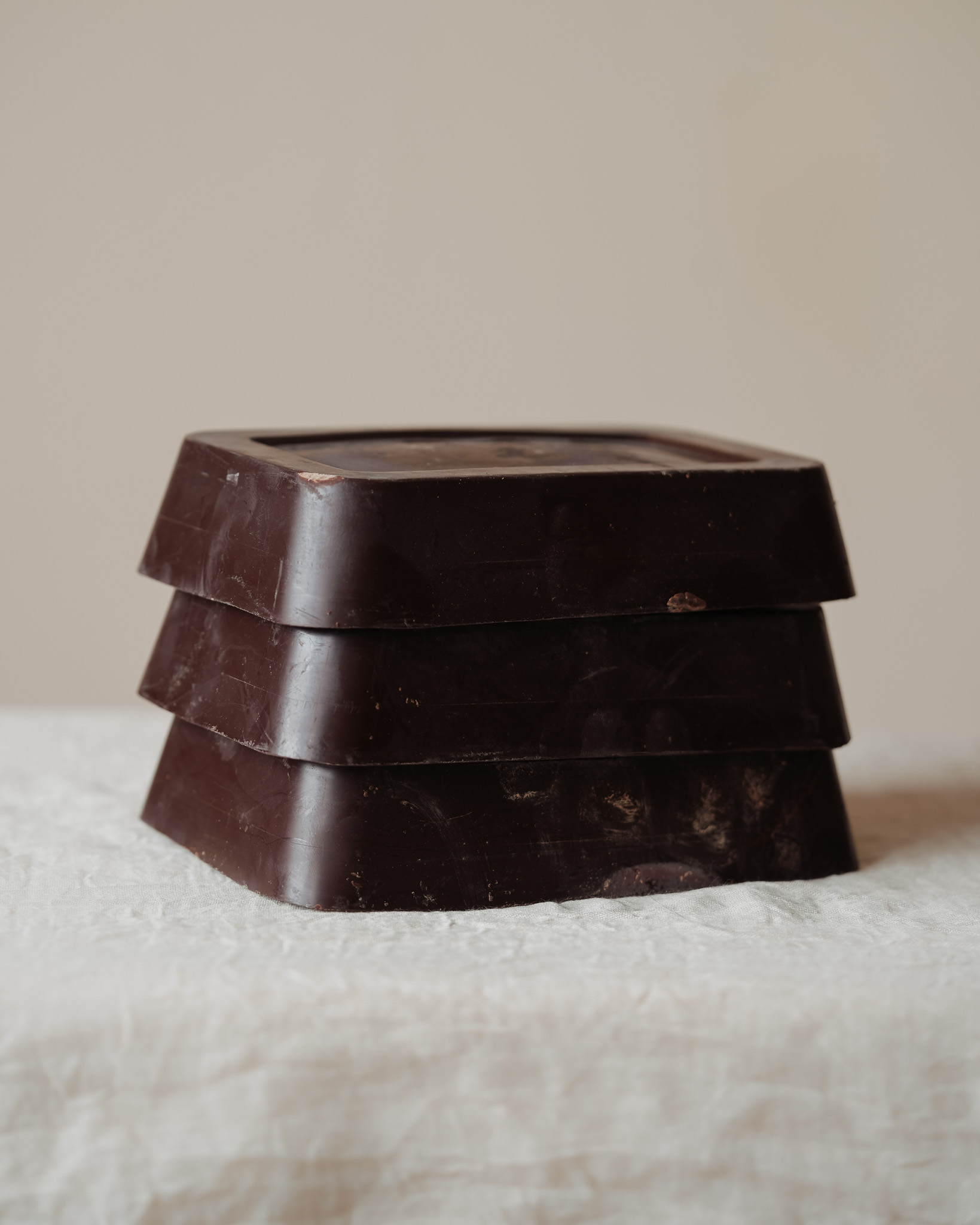
The cacao beans are harvested, fermented, dried and processed according to the methods used by the producer, before being ground into a smooth cacao mass. This mass naturally contains both cocoa solids and cocoa butter, giving ceremonial cacao its wonderfully rich texture and distinctive flavour. Depending on where the cacao is grown, the genetics of the trees, the surrounding environment and the way the beans are processed, the flavour can vary enormously, from fruity and floral to earthy, nutty, deeply chocolatey or gently spiced.
It is worth mentioning that the term ceremonial grade is not a universally regulated classification, and there is no single international certification that determines whether cacao qualifies for this description. I think this is an important distinction because, as ceremonial cacao has become increasingly popular, there has understandably been a great deal of marketing around what makes one product different from another.
For me, the important questions are much more practical. Where has the cacao come from? How has it been grown and processed? What is actually in the finished product? Has it been tested, and does the company sharing it understand the ingredient well enough to explain it honestly?
When I began developing I AM BEING 100% Ceremonial Cacao, these were some of the questions I wanted to answer, because I knew that if I was going to serve cacao to people during my ceremonies, teach others how to facilitate with it and eventually offer it for people to enjoy in their own homes, I wanted to understand the journey it had taken before reaching their cups.
Our I AM BEING cacao comes from Flores Island, Indonesia, and contains one single ingredient: 100% pure cacao. There is no added sugar, dairy, artificial flavouring or unnecessary filler, and its naturally smooth, rich flavour carries gentle notes reminiscent of vanilla and warm spice.
It is a beautiful ingredient in its own right, and I think one of the loveliest things about preparing pure cacao is discovering how much flavour can exist without needing to add very much at all.
The History of Cacao and the Importance of Understanding Where It Comes From
One of the first things I explore during my cacao ceremonies is the history of cacao, because I believe that understanding the origins of something we consume can change the way we relate to it. Cacao has been cultivated and valued for thousands of years, long before it became associated with chocolate bars, sweet drinks or contemporary wellness practices, and its story is closely connected to the cultures, communities and landscapes of the Americas.
Archaeological evidence suggests that cacao was used more than 5,000 years ago in parts of present-day Ecuador, while its later history within Mesoamerica is particularly well documented. Cacao held important social, cultural and economic significance within several Indigenous societies, including Maya and Mexica communities, where it was prepared in different ways, consumed during gatherings and ceremonies, and sometimes used as a valuable commodity.
It is important to recognise that these traditions were not all the same, nor was there one universal cacao ceremony that existed across every community. Different cultures developed their own relationships with cacao, and those relationships cannot be reduced to a single modern interpretation.
I think this matters particularly today, when ceremonial cacao has become increasingly visible within wellness spaces across the UK and beyond. While I love seeing more people discover cacao, I also believe that those of us who facilitate experiences with it have a responsibility to acknowledge its history respectfully and avoid presenting contemporary practices as though they are direct reproductions of Indigenous traditions.
The cacao ceremonies I host through I AM BEING are contemporary wellbeing experiences informed by my own training in cacao facilitation, meditation, breathwork, yoga, Reiki and sound healing. They are not intended to recreate Indigenous ceremonies, but rather to bring people together through a combination of education, reflection, shared experience and carefully guided practices.
For me, learning about cacao is part of appreciating it, and the more I have discovered about its history, cultivation and composition, the more I have come to value the people and processes involved in producing something that we can so easily take for granted.
What Are the Benefits of Ceremonial Cacao?
This is probably one of the questions I am asked most frequently, both by people attending my cacao ceremonies in London and by those who are considering introducing ceremonial cacao into their everyday routines. It is also an area that I feel particularly passionate about discussing responsibly, because cacao contains some fascinating naturally occurring compounds, but there is an important difference between understanding what those compounds do within the body and making promises about how someone will feel after drinking a cup.
Cacao contains a range of substances that have attracted scientific interest, including theobromine, caffeine, flavanols, polyphenols and certain amino acids. Some of these compounds have been studied in relation to cardiovascular function, alertness and other physiological processes, although the amounts present in different cacao products can vary considerably depending on the variety, growing conditions and processing methods.
One of the most interesting compounds in cacao is theobromine, which belongs to the same family of naturally occurring methylxanthines as caffeine. While both substances have stimulant properties, they act differently within the body, and theobromine is generally considered a less potent central nervous system stimulant than caffeine.
Many people describe the experience of drinking cacao as feeling different from drinking coffee, sometimes reporting a more gradual sense of alertness or a gentler experience overall. These descriptions are subjective, however, and should not be taken to mean that cacao is free from stimulating effects. Individual responses depend on sensitivity, serving size and the specific composition of the cacao, which is why I always encourage people to begin with smaller amounts and become familiar with how their bodies respond.
Cacao also contains polyphenols, including flavanols such as epicatechin and catechin, which have been studied for their potential effects on vascular function. Research involving certain cocoa flavanol preparations has produced interesting findings relating to normal blood-vessel dilation, although it is important to understand that the flavanol content of ceremonial cacao is not standardised and may differ substantially from the preparations used in clinical research.
Another area that often creates excitement is the relationship between cacao and what people sometimes call the happy chemicals. You may have heard that cacao contains compounds such as phenylethylamine, anandamide and tryptophan, and that these substances are associated in various ways with pleasure, mood or the body’s own chemical signalling systems.
There is some fascinating science behind these compounds, but their presence in cacao does not necessarily mean that consuming cacao will directly increase serotonin, produce feelings of euphoria or create a predictable emotional response. Many naturally occurring substances are metabolised during digestion, and the quantities present in a typical serving may not be sufficient to produce the effects sometimes suggested in wellness marketing.
I think it is far more interesting, and ultimately more honest, to look at the whole experience rather than searching for one compound that explains everything.
When someone sits down in a warm, welcoming environment, enjoys a beautifully prepared drink, listens to music, takes part in gentle breathing or meditation and spends time with people who are also choosing to slow down, there are many things happening at once. The experience may be enjoyable, calming or emotionally meaningful for reasons that extend well beyond the cacao itself.
And personally, I think that is rather wonderful.
We do not need to attribute every positive experience to a chemical reaction for it to be valuable. Sometimes the simple act of giving ourselves time, attention and care is enough to make a difference to how we feel.
What Happens During a Cacao Ceremony?
A cacao ceremony is, at its simplest, a gathering in which cacao is prepared and shared as part of an intentional experience. Beyond that, however, the possibilities are wonderfully varied, and I think this is something that people do not always realise when they first begin exploring cacao ceremonies in London or elsewhere in the UK.
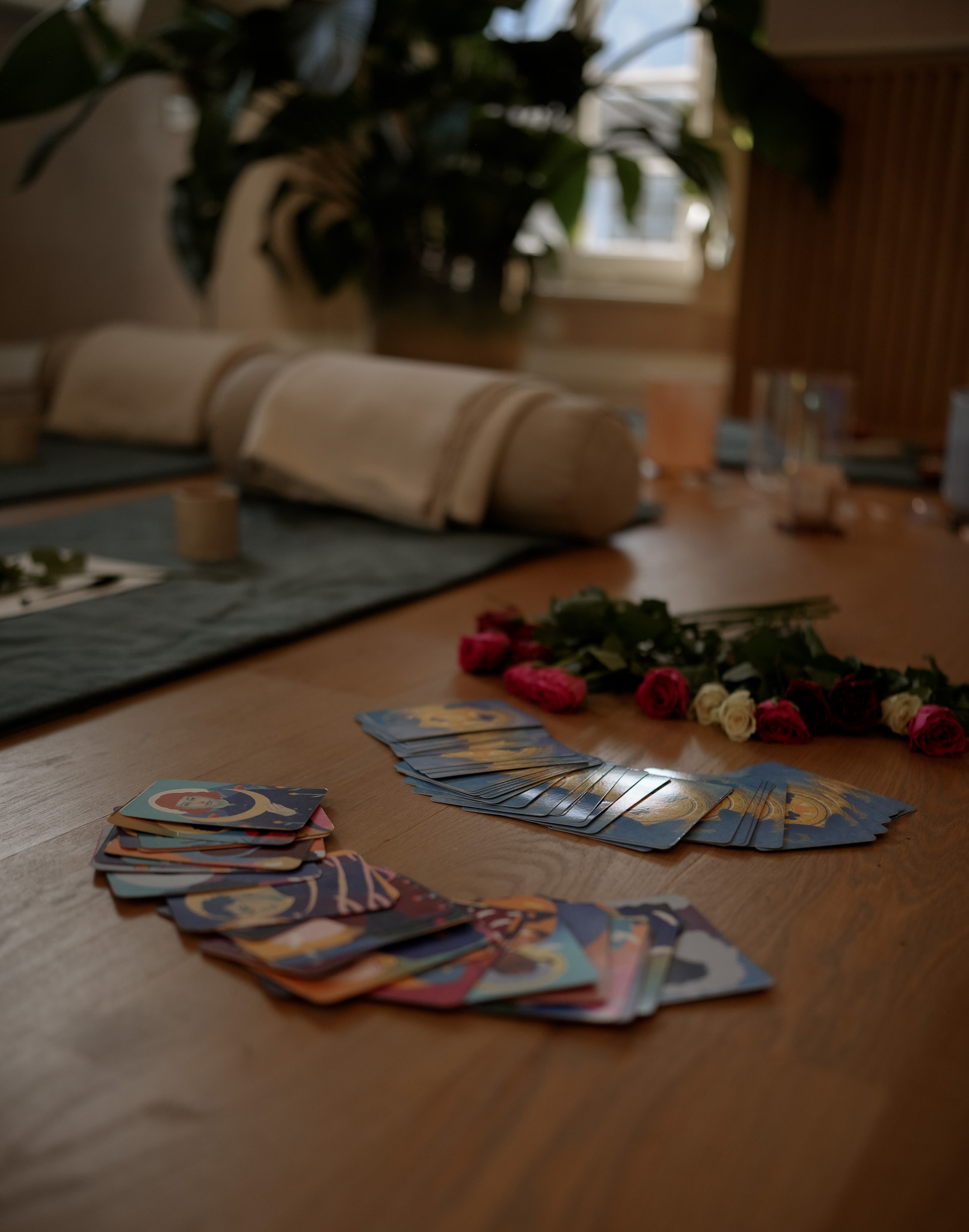
Some ceremonies are deeply meditative, inviting participants to sit quietly, reflect and spend time in stillness, while others involve movement, dance, music, singing, breathwork, storytelling or creative expression. There are ceremonies built around seasonal changes, celebrations, personal reflection and community connection, as well as experiences that combine cacao with yoga, sound healing or other contemporary wellbeing practices.
I often say to people that if they attend a cacao ceremony and discover that it does not resonate with them, I would encourage them not to give up on cacao ceremonies altogether. It may simply be that the particular style of facilitation was not what they needed or enjoyed.
Some people feel most comfortable when they are moving their bodies, listening to energetic music and expressing themselves through dance, while others prefer the quieter experience of lying down with a blanket, listening to crystal singing bowls and allowing themselves to rest. There are people who love journalling and sharing reflections within a group, and others who would rather keep their thoughts entirely private.
None of these approaches is inherently better than another, and I think there is something beautiful about recognising that different experiences can serve different people at different times in their lives.
My own style of facilitation tends to be gentle, reflective and grounded in creating a sense of comfort and connection. I love incorporating meditation, breathwork, journalling and immersive sound healing, allowing participants to settle into an experience without feeling that they need to perform, achieve or produce a particular emotional outcome.
There is no expectation that someone should cry, experience a release, share a personal story or leave feeling transformed. Sometimes those things happen naturally, and sometimes they do not, but I never believe that a ceremony should be measured by the intensity of someone’s emotional response.
For me, a successful ceremony is one in which people feel welcomed, respected and free to experience the time in whatever way feels appropriate for them.
Cacao Ceremonies in London with I AM BEING
When I created I AM BEING, it came from a very personal place. After spending many years working within demanding corporate environments, I experienced burnout and began to recognise how much of my life had been spent doing, achieving and fulfilling responsibilities, often without giving myself the same care and attention that I so readily offered to others.
It was not that I had stopped enjoying life, but rather that I had become increasingly aware of how easy it was to move through our days without really being present within them. I began to question why we so often wait until we are exhausted, overwhelmed or facing a difficult moment before allowing ourselves to slow down.
I wanted to create something that encouraged people to reconnect with themselves before reaching that point, but I also wanted it to feel welcoming and accessible rather than another thing that people needed to achieve or become good at.
That is where I AM BEING began, and the philosophy remains very simple: being and being together.
Today, I host cacao ceremonies and wellbeing experiences at our beautiful studio at Seven Lion Yard in Clapham, South West London, as well as within private members’ clubs, corporate environments and other carefully chosen spaces.
I am trained in six different modalities, including ceremonial cacao facilitation, Reiki as a Master and Teacher, sound healing, yoga, meditation and functional breathwork, and I love being able to bring these different practices together to create experiences that feel thoughtful, personal and suited to the people attending.
During an I AM BEING cacao ceremony, we will usually begin by exploring cacao itself, learning a little about its origins, its composition and how it has travelled from the communities who grow it to the cups we are holding. I think there is something special about understanding what we are drinking, particularly when it is an ingredient with such a fascinating cultural and agricultural history.
We then share our cacao before moving into guided meditation, gentle breathwork, journalling or other reflective practices, often finishing with an immersive sound bath using my alchemy crystal singing bowls and other instruments.
What I love most about these gatherings is that every group is different. Sometimes the room is filled with conversation and laughter, while at other times there is a beautiful sense of quietness as people settle into the experience. I have had people tell me afterwards that they had not realised how much they needed a moment to themselves, while others have shared that meeting new people or simply being in a room where they felt no pressure to do anything was the most meaningful part of the afternoon.
I never take those conversations for granted, because they remind me why I began doing this work in the first place.
If you are looking for a cacao ceremony in London, whether you are completely new to cacao or have attended many ceremonies before, I would love to welcome you to I AM BEING and share the experience with you.
Bringing Ceremonial Cacao into Your Everyday Life
One of the things I am increasingly passionate about is helping people understand that they do not need to attend a formal ceremony to enjoy ceremonial cacao. While there is something very special about coming together in a group, I also believe that the small moments we create within our everyday lives can be just as valuable.
I think we sometimes make wellbeing unnecessarily complicated, particularly when we feel that we need to follow a particular routine, create the perfect environment or dedicate a significant amount of time to doing something properly.
The reality is that most of us have busy lives, and finding an uninterrupted hour for meditation or reflection is not always practical. But perhaps we can find ten minutes in the morning to sit with a warm drink before opening our laptops, or a little time in the evening to enjoy something comforting while reading a book.
For me, ceremonial cacao fits beautifully into these moments because preparing it can be wonderfully simple. You might enjoy it first thing in the morning, perhaps before a yoga practice or a walk, or you might choose to share a cup with a friend instead of meeting for coffee.
There is no requirement to light candles, set an intention, meditate or create a particular atmosphere, although of course you can if those things bring you pleasure.
Sometimes I think the most meaningful thing we can do is remove the expectations altogether and allow ourselves to enjoy something simply because we enjoy it.
And that is one of the reasons I wanted to make our I AM BEING ceremonial cacao available to buy in the UK, rather than only sharing it during ceremonies.
I wanted people to be able to take something from the experience home with them, not necessarily to recreate the entire ceremony, but perhaps to remember the importance of making a little space for themselves within the ordinary moments of life.
Our Ceremonial Cacao from Flores Island, Indonesia
When I began sourcing cacao for I AM BEING, I knew that I wanted to understand the ingredient beyond its flavour and appearance. I wanted to know where it was grown, how it was cultivated, what happened during processing and how we could be confident about the quality of the finished product.
Our cacao comes from Flores Island in Indonesia, a place known for its extraordinary natural landscapes, volcanic geography and rich agricultural environment. It is grown within diverse agroforestry systems, where cacao trees grow alongside other plants and trees, creating a more varied agricultural landscape than a conventional monoculture plantation.
The network behind our cacao includes approximately 400 family farms, and the farming practices described by our suppliers do not involve synthetic chemical inputs. The beans are carefully fermented and processed at origin before being prepared into the beautiful cacao that we now share through I AM BEING.
What I particularly love about our cacao is its flavour, which is wonderfully smooth and rich, with gentle notes of vanilla and warm spice and a lovely lingering finish. It is not overly bitter or harsh, and I find that many people who are trying pure cacao for the first time are surprised by how enjoyable it can be without adding sugar.
Of course, taste is personal, and one of the pleasures of exploring cacao is discovering the different flavour profiles that emerge from different origins and processing methods.
Quality and transparency have also been important considerations for me, particularly as I use our cacao within group ceremonies and practitioner training. Our cacao has undergone independent laboratory testing, including analysis for certain heavy metals, and I believe that having access to this information is an important part of responsible sourcing.
Heavy metals such as cadmium and lead can be present in cacao due to environmental and processing factors, and levels can vary depending on where and how the cacao is produced. This is why I think it is important for cacao businesses to take testing seriously rather than relying solely on descriptions such as pure, natural or ceremonial grade.
Ultimately, I wanted to create a product that I would be proud to share with the people attending my ceremonies, with practitioners learning through I AM BEING and with anyone who chooses to make cacao part of their everyday life.
You can explore our 100% pure ceremonial cacao from Flores Island and learn more about the cacao we use in every I AM BEING ceremony.
Introducing I AM BEING Ceremonial Cacao Coins
One of the most exciting developments for I AM BEING has been the introduction of our ceremonial cacao coins, which took six months to develop and have become something I am incredibly proud of.
I have always loved preparing cacao from a traditional block, and there is something rather satisfying about chopping the cacao, measuring out a serving and slowly whisking it into warm water or milk. However, I also appreciate that not everyone has the time or inclination to do this every morning, particularly when trying to get children ready for school, head to work or simply begin the day without adding another task to the list.
I wanted to find a way of making pure ceremonial cacao more accessible without changing the ingredient itself, and that is where the idea for our cacao coins began.
Each coin weighs approximately 9.5g, allowing you to choose a serving without needing to chop or weigh a block every time. Two coins provide approximately 19g, three coins approximately 28.5g, and the cacao can be gently melted into warm water or your favourite plant-based milk in exactly the same way as our traditional block.
It is still the same beautiful 100% pure cacao from Flores Island, with nothing added, but in a format that makes preparation wonderfully straightforward.
Our 500g pouch contains approximately 52–53 cacao coins and is particularly lovely for people who enjoy cacao regularly, while our smaller three-coin travel pack provides an easy introduction for someone who is curious about trying ceremonial cacao for the first time.
I also love the idea of the smaller packs being shared with friends, included in thoughtful gifts or taken away on travels, because there is something special about introducing someone to an ingredient that you genuinely enjoy.
You can explore our I AM BEING ceremonial cacao coins and learn more about how to prepare them, or visit our online cacao shop to discover the full range.
How to Prepare Ceremonial Cacao at Home
Preparing ceremonial cacao at home does not need to be complicated, and I always encourage people to experiment with different quantities, flavours and textures until they discover what they enjoy most.
For a beautiful cup, you might begin with approximately 15–20g of pure cacao, gently melted into around 150–200ml of warm water or plant-based milk. I generally recommend warming the liquid rather than vigorously boiling the cacao, then whisking everything together until it becomes smooth and beautifully combined.
You can use a traditional whisk, an electric frother or a blender, depending on what you have available, and there is absolutely no need to invest in special equipment simply to enjoy a cup.
Some people love adding cinnamon, cardamom or vanilla, while others prefer a little honey or maple syrup to soften the natural bitterness. Personally, I think it is worth trying pure cacao without too many additions at first, simply because it allows you to appreciate the flavour of the ingredient itself.
When it comes to quantities, I always remind people that cacao contains naturally occurring stimulants, including caffeine and theobromine, and that larger servings are not necessarily better. Someone who is new to cacao may find that a smaller amount is more than enough, while those who enjoy it regularly may choose different quantities depending on their preferences and tolerance.
At I AM BEING, our general preparation guidance suggests approximately 15–25g for a morning cup, around 25g before exercise and 30–35g for certain ceremonial experiences, although these are serving suggestions rather than medically established doses, and they are not appropriate for everyone.
If you are particularly sensitive to stimulants, pregnant, breastfeeding, taking medication or managing a medical condition, it is sensible to seek individual guidance before consuming larger servings.
I think this is an important part of understanding cacao properly, because while it is a beautiful ingredient, it is still a food containing biologically active compounds, and we should approach it with the same thoughtfulness that we would any other part of our diet.
Where to Buy Ceremonial Cacao in the UK
As ceremonial cacao has become increasingly popular, there are now many different products available to buy in the UK, which is wonderful in terms of choice but can also make it difficult to understand what you are purchasing.
I would always encourage people to look beyond the words on the packaging and spend a little time understanding where the cacao comes from, whether it contains any additional ingredients and what information the company provides about sourcing and quality.
Pure ceremonial cacao should have a clearly stated ingredient list, and if you are buying it for regular use, it can be helpful to understand how it has been processed and whether the supplier provides information about laboratory testing.
I also think flavour matters enormously. There is no point choosing a cacao simply because someone tells you it is the best if you do not actually enjoy drinking it, and different origins can produce very different flavour experiences.
At I AM BEING, we offer our Flores Island cacao in three formats, allowing people to choose what works best for them.
Our original 500g ceremonial cacao block is lovely for those who enjoy preparing cacao in a traditional way, while our 500g cacao coins offer a simpler way of measuring portions without compromising on the purity of the ingredient. We also have our three-coin travel packs, which are particularly useful for trying cacao for the first time, travelling or sharing with someone you love.
Whether you are looking to buy ceremonial cacao in the UK for your own daily enjoyment, introduce it into your yoga or meditation practice, or use it when facilitating experiences for others, I hope our cacao offers something that feels both beautiful and accessible.
You can discover the full collection through the I AM BEING online ceremonial cacao shop.
Learning to Facilitate Cacao Ceremonies
As more people discover ceremonial cacao, I have also noticed a growing interest in learning how to facilitate cacao ceremonies themselves, which is something I find incredibly encouraging when approached with care and responsibility.
However, I think it is important to recognise that facilitating a cacao ceremony involves much more than knowing how to prepare a drink or guide a meditation. When we invite people into a group experience, particularly one that may involve emotional reflection, breathwork or other wellbeing practices, we have a responsibility to understand what we are offering and to create an environment where participants feel respected, informed and supported.
This includes understanding cacao’s composition and potential contraindications, recognising that different people may respond differently to the experience, and being thoughtful about consent, personal boundaries and the language we use when guiding others.
It also involves developing an awareness of the nervous system, understanding the difference between supporting someone through a reflective experience and attempting to provide therapeutic treatment, and recognising when something falls outside our professional training.
Through our I AM BEING Cacao Practitioner Training in London, we explore these subjects alongside the history of cacao, ethical sourcing, preparation, ceremony design and practical facilitation.
One of the things I particularly enjoy is helping people discover their own approach, because I do not believe that everyone should facilitate in the same way. Some people naturally gravitate towards movement and music, others towards meditation or education, and some may choose to incorporate cacao into an existing yoga, sound healing or wellbeing practice.
The important thing is developing the knowledge, confidence and awareness to share cacao responsibly while remaining authentic to yourself.
A Final Thought on Cacao, Connection and the Art of Simply Being
When I think about everything that cacao has brought into my life, I find myself returning to the same idea that inspired me to create I AM BEING in the first place, which is that so much of our wellbeing is connected to the way we experience our everyday lives and the relationships we create with ourselves and the people around us.
I do not believe that cacao is a miracle ingredient, and I would never want anyone to feel that they need to drink it, attend a ceremony or follow a particular practice to become happier, healthier or more complete.
What I do believe is that we can benefit enormously from creating more opportunities to slow down, listen to ourselves and spend meaningful time with others, particularly when so much of modern life encourages us to do exactly the opposite.
For some people, that might mean attending a cacao ceremony in London and enjoying an afternoon of meditation, journalling and sound healing. For others, it might be preparing a warm cup of cacao before work, sharing a conversation with a friend or taking ten minutes in the evening to sit quietly without a phone or a list of things that need to be done.
I have seen the most beautiful moments of connection emerge from experiences that, on the surface, are incredibly simple, and I think that is something we should celebrate more often.
Sometimes we spend so much time searching for the next thing that will improve our lives that we forget to appreciate the moments already available to us, and perhaps one of the loveliest things we can do is begin making a little more room for those moments.
If you would like to experience ceremonial cacao with me, I would absolutely love to welcome you to one of our cacao ceremonies in London, where we bring people together through cacao, meditation, breathwork, sound and the simple joy of being in one another’s company.
And if you would prefer to begin your own journey at home, you can explore our I AM BEING 100% Ceremonial Cacao, sourced from Flores Island, Indonesia, and available to buy online in the UK.
However you choose to enjoy it, I hope it becomes an opportunity to give yourself something that we so often forget we deserve: a little time, a little kindness and a moment to simply be.
Because perhaps wellbeing is not always about becoming something more, but about remembering that there is already so much value in who we are, exactly as we are.
Love, Gizelle xx