Why Every Woman Should Understand Her Cycle
When it comes to women’s health and wellbeing, we already know that it is a subject that has been neglected and dismissed for far too long. For years, much of what we understood about the human body came from research carried out mainly on men.
When it comes to women’s health and wellbeing, we already know that it is a subject that has been neglected and dismissed for far too long. For years, much of what we understood about the human body came from research carried out mainly on men. Women were often seen as more complicated to study because our hormones change throughout the month, whereas men have a much more stable hormonal profile. We are only now beginning to understand what that has meant for women’s healthcare.
One example that always stands out to me is heart attacks. For years, the symptoms we were taught to recognise were based largely on how men experience them, despite the fact that women can present differently. Thankfully that is changing, but it says so much about how women’s health has often been treated as an afterthought.
If you have never read Invisible Women by Caroline Criado Pérez, I cannot recommend it enough. It is one of those books that completely changes the way you see the world. It explores how everything from medicine and technology to transport and workplaces has largely been designed using male data as the default. It is fascinating, although at times quite shocking, because once you start noticing these things, you begin to see them everywhere.
What I have also realised is how little many of us actually know about our own bodies. I am in my forties and, if I am honest, I spent most of my adult life barely paying attention to my menstrual cycle. I knew when my period was due, usually because I started feeling different, but I did not really understand what was happening during the other three weeks of the month. I certainly was not thinking about how my hormones might affect my energy, confidence, sleep, appetite or even the way I wanted to exercise.
It is only over the last ten years that I have really started listening. For all its faults, social media has opened up conversations that simply were not happening before. Women are talking about hormones, fertility, perimenopause and menopause in a way that previous generations never had the opportunity to. We are finally beginning to understand that our bodies are not designed to feel exactly the same every single day of the month.
Another book I found really interesting is Fast Like a Girl by Dr Mindy Pelz. You may not agree with every part of it, but what I like is that it encourages women to become more curious about their bodies instead of constantly fighting against them.
Were women tracking their cycles thousands of years ago?
There is a fascinating theory that women may have been tracking their cycles thousands of years ago. Archaeologists have discovered prehistoric bones and cave markings covered in repeated sequences of notches. Nobody knows exactly what they represent. Some believe they were used to track the moon, while others have suggested they could have been recording the menstrual cycle.
We will probably never know for certain, but I love the thought that women may have been paying close attention to the rhythm of their bodies long before apps, watches and reminders told us when our next period was due. Whether those markings represented the moon, menstruation or something completely different, they remind us that humans have always observed patterns. Over time, many of us simply stopped paying attention to our own.
Instead, we grew up believing that we should feel the same every day of the month, with the same energy, confidence, motivation and ability to keep going regardless of what was happening inside us. Then, when we felt tired, emotional, sensitive or less productive, we blamed ourselves instead of considering that our bodies might simply be asking for something different.
The more I learnt about my own cycle, the more everything started to make sense. I realised I was not lazy on some days or unmotivated on others. My body was simply asking for something different. Learning to listen to it has been one of the kindest things I have ever done for myself.
Menstruation: your inner winter
The first day of your period marks the beginning of a new cycle. Oestrogen and progesterone are at their lowest, and your body is shedding the uterine lining and preparing for another cycle to begin. Some women hardly notice this phase, while others feel exhausted and simply want to curl up under a blanket. Neither experience is right or wrong.
For me, this phase is always a reminder that rest is not something we have to earn. It is fine if your body wants slower walks instead of a run, if yoga feels better than a high-intensity class or if you simply need an early night. The important thing is paying attention to what feels right for you.
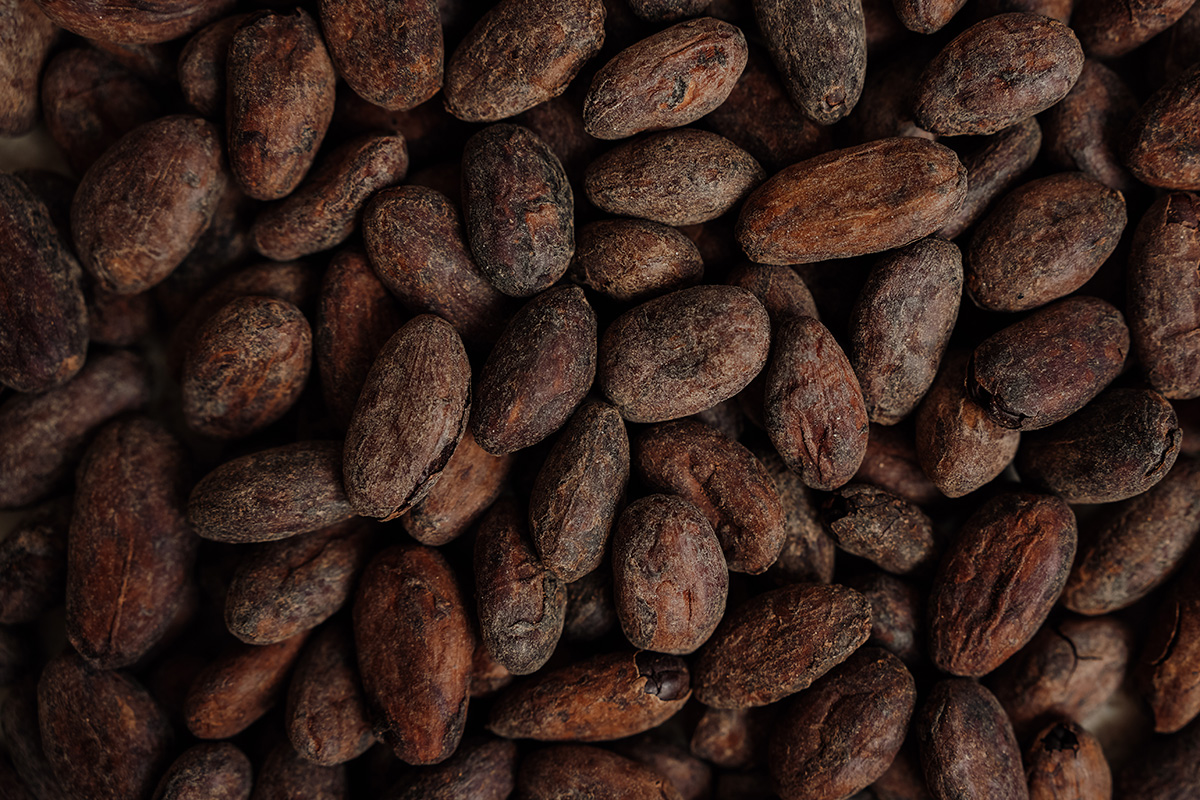
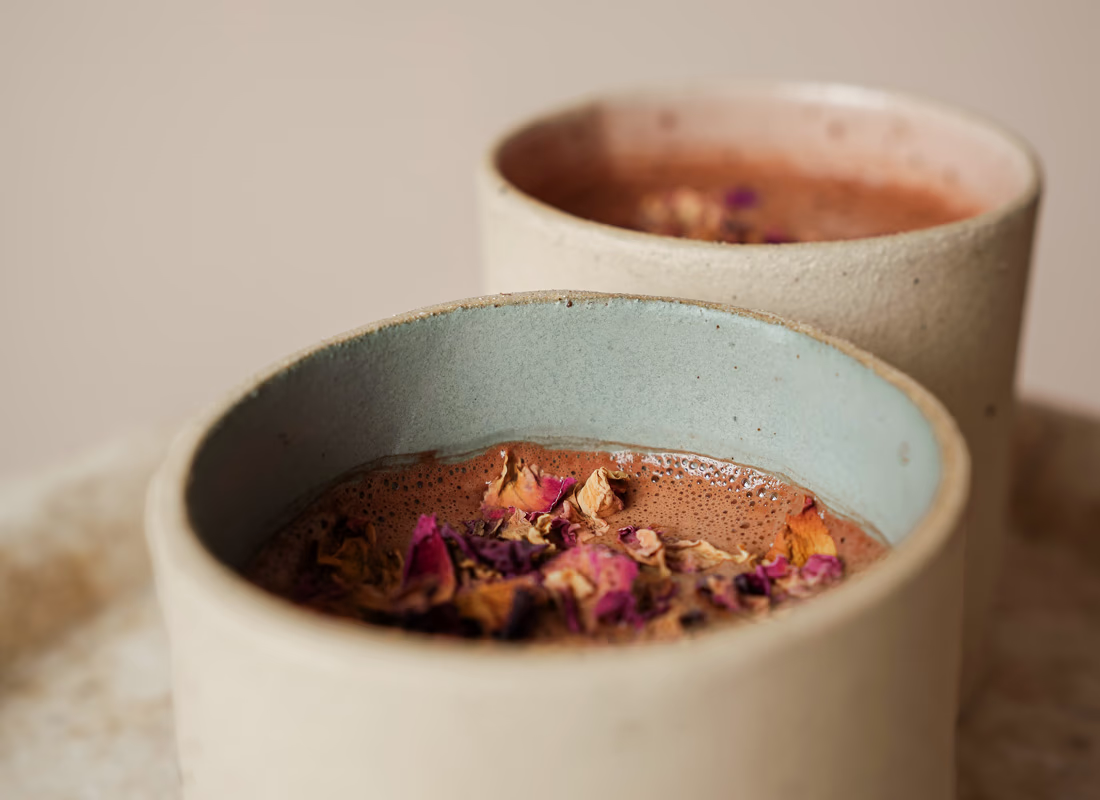
This is also when I love reaching for ceremonial cacao. A warm cup naturally encourages me to slow down. It becomes less about what cacao contains and more about what it creates: a few quiet minutes to check in with myself instead of immediately pushing through another day. Cacao is naturally rich in minerals including magnesium and iron, but for me, during this phase, it is mostly about warmth, comfort and giving myself permission to stop.
The follicular phase: your inner spring
As your period comes to an end, oestrogen begins to rise and many women notice their energy starting to return. This can feel like spring, when new ideas arrive, creativity comes back and you may feel more motivated to move your body, plan projects or begin something you have been putting off.
I love sitting with cacao during this phase because it is often when my journal fills with ideas. There is something about preparing it slowly and taking ten minutes before opening my laptop that helps me focus on what I want to begin and where I want to direct my energy. This can be a beautiful time to dream, create and explore, although it is important to remember that every woman is different and not everyone will experience the same shifts.
Ovulation: your inner summer
Ovulation is often the most outward-looking part of the cycle. Many women feel more confident, sociable and connected during this time. You may feel more like saying yes to plans, meeting friends, sharing ideas or being seen.
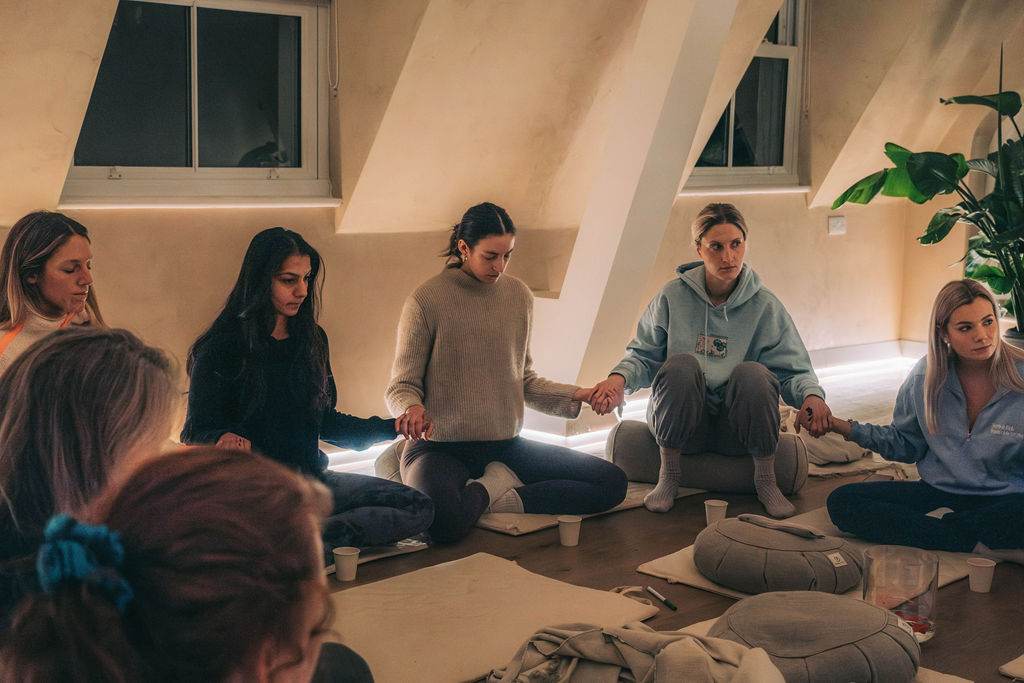
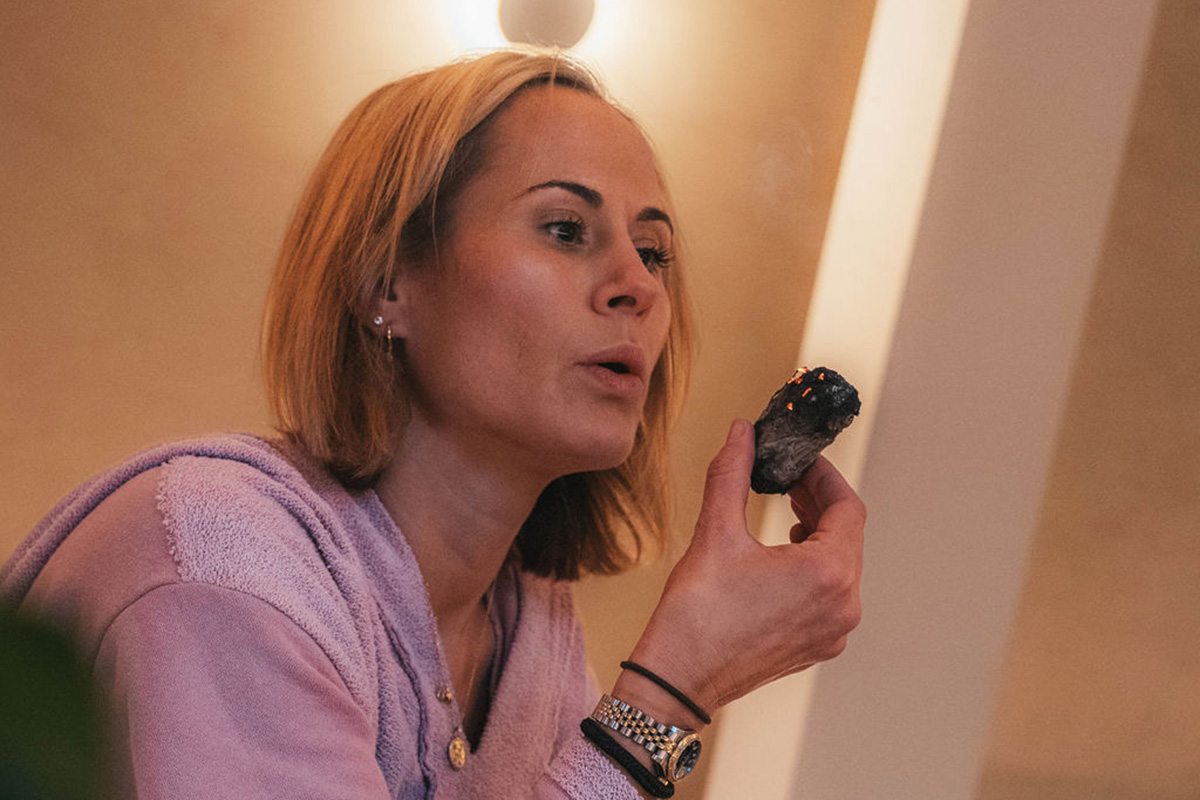
This is one of the reasons I love holding cacao ceremonies so much. Ceremonial cacao is often described as heart-opening. While that is not a medical term, it does beautifully describe what many people experience. Conversations can become more honest, people soften and there is often a greater sense of connection. Sometimes that may be the cacao, sometimes the experience and sometimes the permission to slow down together. I suspect it is often a mixture of all three.
The luteal phase: your inner autumn
After ovulation, progesterone rises before gradually falling again as your next period approaches. This is the phase where many women notice PMS, lower energy, greater sensitivity, changes in appetite or a stronger need for space. You may also notice that it takes longer to recover from intense exercise or that things you found easy earlier in the month suddenly feel more demanding.
For years, I fought this phase and expected myself to perform in exactly the same way I had the week before. Now I try to work with it instead. I pay more attention to my boundaries, notice what is draining me and give myself more space where I can.
This is often when I make cacao in the evening rather than the morning. It gives me a moment to pause before automatically reaching for another coffee, something sugary or simply carrying on because I think I should. Sometimes what I really need is food, but sometimes I simply need to sit down, breathe and rest.
Beyond the nutrition
For me, the greatest gift ceremonial cacao offers women is not something you will find on a nutrition label. Yes, cacao is naturally rich in minerals and plant compounds, but that is not the only reason I drink it. I drink it because it gives me a reason to stop, put the kettle on, breathe and notice how I am feeling before the day runs away with me.
I do not think we need another strict set of rules telling us exactly how to eat, exercise or live during every phase of our cycle. I think we simply need to become a little better at listening to our bodies. Creating time for yourself, whether that is making a cup of ceremonial cacao, sitting quietly for five minutes or writing a few lines in a journal, gives us the chance to ask one simple question: what do I need today?
Sometimes the answer is energy, sometimes it is courage, sometimes it is connection and sometimes it is simply permission to rest.
Women’s health is finally starting to receive the attention it deserves, but there is still a long way to go. Until then, one of the greatest things we can do is become curious about our own bodies, notice our patterns, trust what we are feeling and ask questions when something does not feel right.
Most importantly, we need to keep talking about it. Share what you learn with your daughters, sisters, mothers, friends and partners. The conversations we are having now are long overdue, and I hope the next generation of women grows up understanding their bodies in a way many of us never had the chance to.
A woman’s body is extraordinary, and the more we understand it, the kinder we become towards ourselves.
Love,
Gizelle x